Your Will vinegar kill iron bacteria images are ready in this website. Will vinegar kill iron bacteria are a topic that is being searched for and liked by netizens now. You can Find and Download the Will vinegar kill iron bacteria files here. Get all free photos and vectors.
If you’re searching for will vinegar kill iron bacteria pictures information linked to the will vinegar kill iron bacteria interest, you have come to the right blog. Our website always gives you suggestions for seeking the maximum quality video and picture content, please kindly search and locate more informative video articles and images that match your interests.
Will Vinegar Kill Iron Bacteria. This is much like municipal water which is treated with chlorine to kill bacteria. The characteristic reddish-brown slime or biofilm biofouling associated with iron bacteria contamination is a metabolic byproduct from the oxidation of iron or manganese by the bacteria. Fans of the Law of Mass Action will be happy that vinegars lethal effect is dependent on time temperature and the concentration of acetic. Does vinegar kill bacteria.
 Pin On Diy Ideas From pinterest.com
Chlorination disinfects your well by destroying unhealthy bacteria and microorganisms and removing dissolved iron manganese and hydrogen sulfide. While these iron bacteria dont necessary cause health problems you likely dont want to drink water that looks smells and tastes bad. However when it comes to killing bacteria and virus it works limited. Chlorination disinfects your well by destroying unhealthy bacteria and microorganisms and removing dissolved iron manganese and hydrogen sulfide. These germs can cause foodborne diseases. This solution is injected into the water supply and then stored in a separate holding tank to allow the solution to thoroughly mix with the untreated water killing the bacteria.
Due to its antimicrobial properties vinegar has been used for the treatment of.
27 2014 HealthDay News – A potent weapon against a dangerous class of bacteria may be as close as the kitchen cupboard new research suggests. Due to its antimicrobial properties vinegar has been used for the treatment of. Coli and Listeria monocytogenes. The acetic acid in vinegar can also damage some surfaces so vinegar is not recommended for use on aluminum cast iron waxed wood or natural stone. Vinegar works on germs like Salmonella Escherichia coli E. 27 2014 HealthDay News – A potent weapon against a dangerous class of bacteria may be as close as the kitchen cupboard new research suggests.
 Source: ar.pinterest.com
It can be managed easily at home with common household bleach and food grade white vinegar. While these iron bacteria dont necessary cause health problems you likely dont want to drink water that looks smells and tastes bad. However vinegar cannot kill all the bacteria and virus such as COVID-19 virus. Be very careful you properly use and dispose of these chemicals. Installation of a small 15 gallon solution injection system which injects small amounts of chlorine bleach or peroxide into the water supply as needed.
 Source: pinterest.com
Due to its antimicrobial properties vinegar has been used for the treatment of. Acids can dissolve iron deposits destroy bacteria and loosen bacterial slime. However when it comes to killing bacteria and virus it works limited. Due to its antimicrobial properties vinegar has been used for the treatment of. Vinegar works on germs like Salmonella Escherichia coli E.
 Source: pinterest.com
Chlorine ozone or peroxide can kill bacteria and inhibit its recurrence when continually injected into water supplies however continuous injection systems require a bit of available space for installation and proper operation. Scientists say common vinegar. A lot of people are using vinegar to disinfect their home. An equally common but less understood problem is the infestation of a well and water system with iron bacteria. Due to its antimicrobial properties vinegar has been used for the treatment of.
 Source: pinterest.com
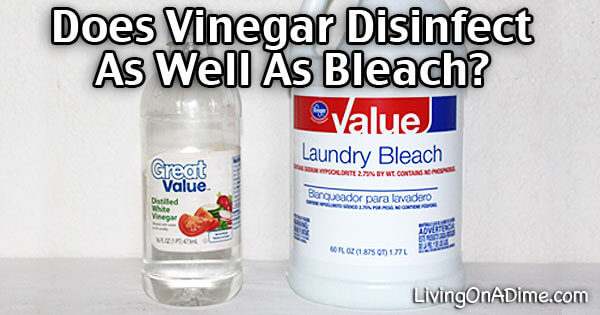
Acids are typically part of a series of treatments involving chlorine and sometimes bases. This is much like municipal water which is treated with chlorine to kill bacteria. A lot of people are using vinegar to disinfect their home. While these iron bacteria dont necessary cause health problems you likely dont want to drink water that looks smells and tastes bad. However vinegar cannot kill all the bacteria and virus such as COVID-19 virus.
 Source: livingonadime.com
Fans of the Law of Mass Action will be happy that vinegars lethal effect is dependent on time temperature and the concentration of acetic. However when it comes to killing bacteria and virus it works limited. Be very careful you properly use and dispose of these chemicals. Installation of a small 15 gallon solution injection system which injects small amounts of chlorine bleach or peroxide into the water supply as needed. If left unchecked biofouling can clog pump intakes well screens filters and water pipes.
 Source: pinterest.com
Spoiler alert vinegar kills pathogenic bacteria. UV is a powerful disinfectant that can kill bacteria viruses and parasites provided the water is perfectly clean low in minerals and free of iron and sediment. Vinegar can kill microorganisms such as bacteria and viruses and treat yeast infections. Chlorination uses concentrations of chlorine that are 100 to 400 times the amount found in municipal water. The characteristic reddish-brown slime or biofilm biofouling associated with iron bacteria contamination is a metabolic byproduct from the oxidation of iron or manganese by the bacteria.
 Source: pinterest.com
Coli and Listeria monocytogenes. Acids can dissolve iron deposits destroy bacteria and loosen bacterial slime. The characteristic reddish-brown slime or biofilm biofouling associated with iron bacteria contamination is a metabolic byproduct from the oxidation of iron or manganese by the bacteria. Due to its antimicrobial properties vinegar has been used for the treatment of. Iron bacteria thrive in water containing high levels of iron and can accumulate in appliances and plumbing to create sludge biofilm and foul odors in water.
Source: pinterest.com
These germs can cause foodborne diseases. It can be managed easily at home with common household bleach and food grade white vinegar. Fans of the Law of Mass Action will be happy that vinegars lethal effect is dependent on time temperature and the concentration of acetic. Chlorination uses concentrations of chlorine that are 100 to 400 times the amount found in municipal water. This is much like municipal water which is treated with chlorine to kill bacteria.
 Source: ar.pinterest.com
The characteristic reddish-brown slime or biofilm biofouling associated with iron bacteria contamination is a metabolic byproduct from the oxidation of iron or manganese by the bacteria. This solution is injected into the water supply and then stored in a separate holding tank to allow the solution to thoroughly mix with the untreated water killing the bacteria. Spoiler alert vinegar kills pathogenic bacteria. Fans of the Law of Mass Action will be happy that vinegars lethal effect is dependent on time temperature and the concentration of acetic. Never mix acid and chlorine.
 Source: pinterest.com
Coli and Listeria monocytogenes. The acetic acid in vinegar can also damage some surfaces so vinegar is not recommended for use on aluminum cast iron waxed wood or natural stone. Malt vinegar can even kill influenza A virus. Does vinegar kill bacteria. If left unchecked biofouling can clog pump intakes well screens filters and water pipes.
 Source: pinterest.com
Spoiler alert vinegar kills pathogenic bacteria. Chlorination disinfects your well by destroying unhealthy bacteria and microorganisms and removing dissolved iron manganese and hydrogen sulfide. Only trained professionals should do an acid treatment. Happen when there is too much iron in well water the water often has a metallic taste a reddish-brown color stains the laundry and makes poor-tasting coffee. While these iron bacteria dont necessary cause health problems you likely dont want to drink water that looks smells and tastes bad.
 Source: pinterest.com
Scientists say common vinegar. Coli and Listeria monocytogenes. Acids can dissolve iron deposits destroy bacteria and loosen bacterial slime. Scientists say common vinegar. The main problem with iron bacteria getting into your water supplies is that its very difficult to remove the bacteria from water which is why its recommended that you take steps to prevent these bacteria.
 Source: pinterest.com
However when it comes to killing bacteria and virus it works limited. Chlorination uses concentrations of chlorine that are 100 to 400 times the amount found in municipal water. Chlorination disinfects your well by destroying unhealthy bacteria and microorganisms and removing dissolved iron manganese and hydrogen sulfide. The sometimes dramatic effects of iron bacteria can also be seen outdoors with reddish-brown slimy masses. Vinegar works on germs like Salmonella Escherichia coli E.
 Source: pinterest.com
Acids can dissolve iron deposits destroy bacteria and loosen bacterial slime. The sometimes dramatic effects of iron bacteria can also be seen outdoors with reddish-brown slimy masses. A lot of people are using vinegar to disinfect their home. This solution is injected into the water supply and then stored in a separate holding tank to allow the solution to thoroughly mix with the untreated water killing the bacteria. While these iron bacteria dont necessary cause health problems you likely dont want to drink water that looks smells and tastes bad.
 Source: pinterest.com
Malt vinegar can even kill influenza A virus. Vinegar can kill microorganisms such as bacteria and viruses and treat yeast infections. Acids are typically part of a series of treatments involving chlorine and sometimes bases. Acids can dissolve iron deposits destroy bacteria and loosen bacterial slime. If left unchecked biofouling can clog pump intakes well screens filters and water pipes.
 Source: pinterest.com
It can be managed easily at home with common household bleach and food grade white vinegar. This solution is injected into the water supply and then stored in a separate holding tank to allow the solution to thoroughly mix with the untreated water killing the bacteria. An equally common but less understood problem is the infestation of a well and water system with iron bacteria. It can be managed easily at home with common household bleach and food grade white vinegar. Fans of the Law of Mass Action will be happy that vinegars lethal effect is dependent on time temperature and the concentration of acetic.
 Source: pinterest.com
The set time for vinegar meaning the time a disinfectant must be on a surface to kill germs is 30 minutes. Will vinegar kill iron bacteria. The sometimes dramatic effects of iron bacteria can also be seen outdoors with reddish-brown slimy masses. This solution is injected into the water supply and then stored in a separate holding tank to allow the solution to thoroughly mix with the untreated water killing the bacteria. Chlorination disinfects your well by destroying unhealthy bacteria and microorganisms and removing dissolved iron manganese and hydrogen sulfide.
 Source: quora.com
Fans of the Law of Mass Action will be happy that vinegars lethal effect is dependent on time temperature and the concentration of acetic. Chlorination uses concentrations of chlorine that are 100 to 400 times the amount found in municipal water. The main problem with iron bacteria getting into your water supplies is that its very difficult to remove the bacteria from water which is why its recommended that you take steps to prevent these bacteria. Vinegar can kill microorganisms such as bacteria and viruses and treat yeast infections. Vinegar works on germs like Salmonella Escherichia coli E.
This site is an open community for users to submit their favorite wallpapers on the internet, all images or pictures in this website are for personal wallpaper use only, it is stricly prohibited to use this wallpaper for commercial purposes, if you are the author and find this image is shared without your permission, please kindly raise a DMCA report to Us.
If you find this site value, please support us by sharing this posts to your preference social media accounts like Facebook, Instagram and so on or you can also save this blog page with the title will vinegar kill iron bacteria by using Ctrl + D for devices a laptop with a Windows operating system or Command + D for laptops with an Apple operating system. If you use a smartphone, you can also use the drawer menu of the browser you are using. Whether it’s a Windows, Mac, iOS or Android operating system, you will still be able to bookmark this website.