Your Why is my spaghetti sauce watery images are ready. Why is my spaghetti sauce watery are a topic that is being searched for and liked by netizens now. You can Find and Download the Why is my spaghetti sauce watery files here. Download all free images.
If you’re searching for why is my spaghetti sauce watery pictures information linked to the why is my spaghetti sauce watery interest, you have visit the ideal blog. Our website frequently gives you suggestions for viewing the maximum quality video and image content, please kindly hunt and find more enlightening video content and graphics that fit your interests.
Why Is My Spaghetti Sauce Watery. Water trapped between the strands will get a chance to escape. Because the moisture of pasta conventionally cooked and drained has a sticky coat of starch on it starch that helps keep the sauce sticking to the pasta and also thickens the sauce. If it appears watery after you can it leave it as is. Let your pasta drain until it stops steaming.
 How To Thicken Pasta Sauce To Your Tastes Oola Com From oola.com
Move the pasta around by moving the colander up and down rapidly. Do not rinse off the pasta after you drain it. When you open a jar all you need to do is cook the sauce down a bit. Pasta thats been pre-cooked sitting in cold water and later reheated is now rinsed of its sticky starch so the moisture on the reheated pasta dilutes the sauce. Drain thoroughly until its almost fully dry. It distributes the sauce evenly and allows the pasta to absorb the sauce flavors.
Another suggestion is that pasta should never be rinsed.
Another suggestion is that pasta should never be rinsed. Take the pasta out before its gotten to al dente and finish cooking it in the sauce. Water trapped between the strands will get a chance to escape. Cooked pasta has a layer of starch on its surfaces which helps the sauce cling and contributes to overall texture. Then add it into the sauce. Not adding pasta water or oil to the sauce Once youve combined the pasta and sauce for that one minute of melding Rupp suggests adding pasta water as well as the starch will help the sauce.
 Source: blog.chefworks.com
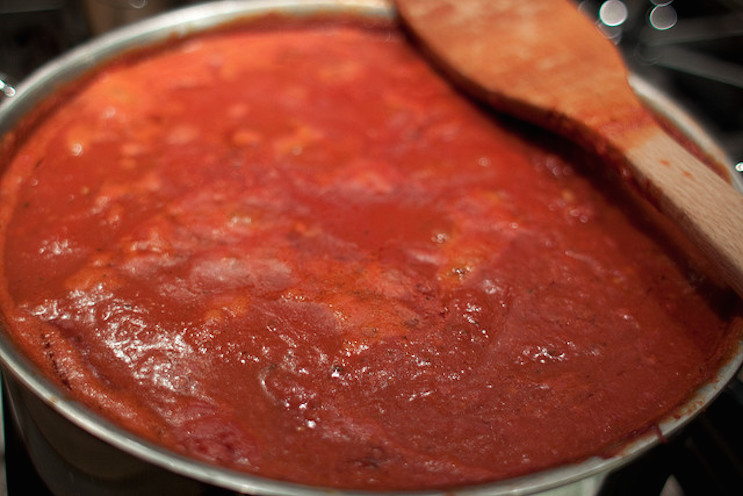
The pasta will absorb any excess moisture and its starch will also help thicken your spaghetti sauce. One of the most common reasons that spaghetti sauce gets watery is when the pasta is not drained enough. If the sauce is added to naked pasta the tomato sauce solids may rest on top of the pasta while the watery juicy part flows through and pools on the plate. When you drain the pasta in the colander shake it a bunch of times allowing the noodles to toss around. The gradual combination of Parmesan and pasta water is the principle behind the cult favorite cacio e pepe the queen of emulsified sauces and which youre now totally capable of.
 Source: melskitchencafe.com
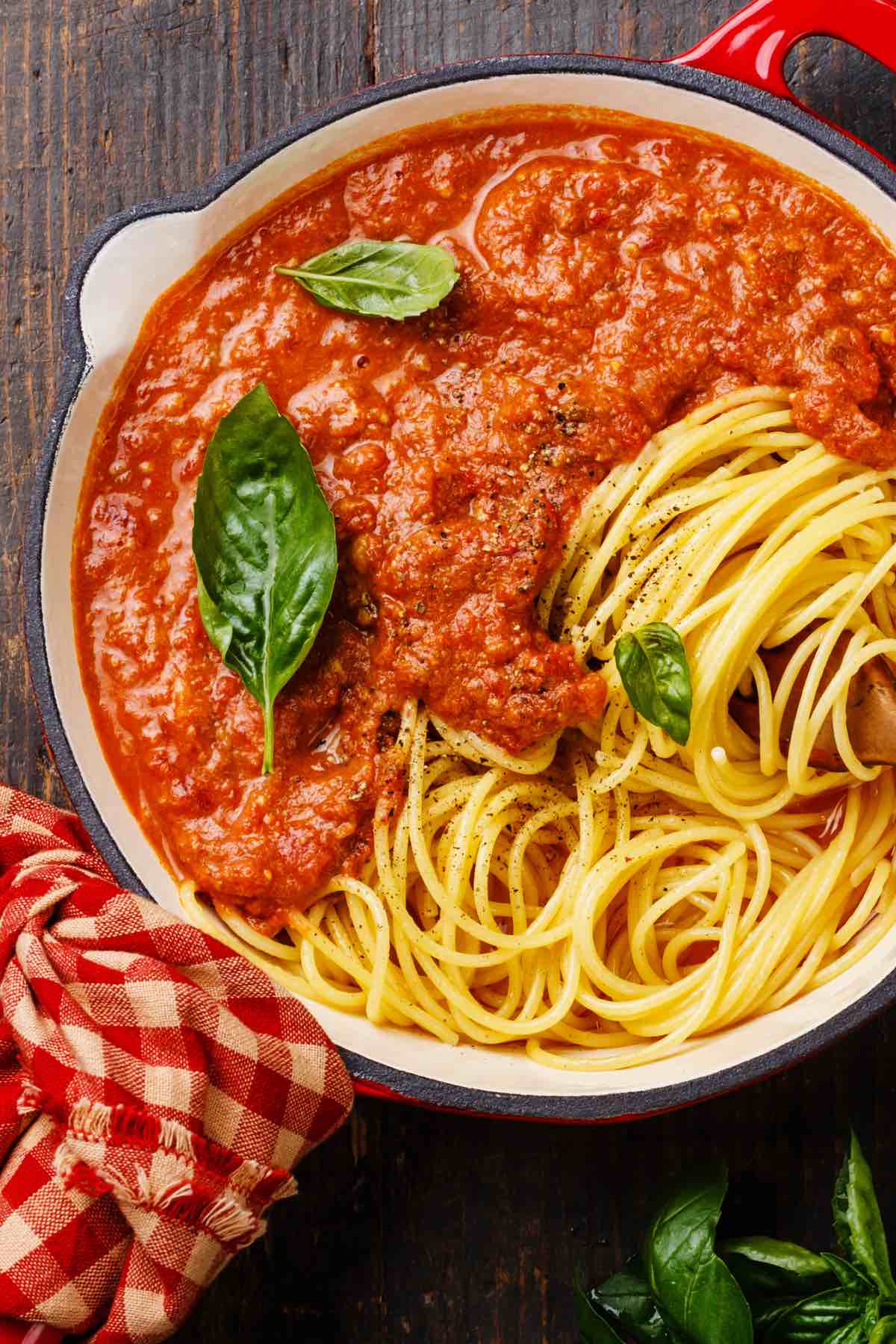
The gradual combination of Parmesan and pasta water is the principle behind the cult favorite cacio e pepe the queen of emulsified sauces and which youre now totally capable of. Take the pasta out before its gotten to al dente and finish cooking it in the sauce. Because the moisture of pasta conventionally cooked and drained has a sticky coat of starch on it starch that helps keep the sauce sticking to the pasta and also thickens the sauce. Its the pasta not necessarily the sauce. Try cooking the pasta al dente drain thoroughly and then add the sauce over the top.
 Source: izzycooking.com
Water trapped between the strands will get a chance to escape. Pasta thats been pre-cooked sitting in cold water and later reheated is now rinsed of its sticky starch so the moisture on the reheated pasta dilutes the sauce. The more you toss the pasta over the colander the less water you end. This may be the cause of your watery pasta. Drain thoroughly until its almost fully dry.
 Source: growagoodlife.com
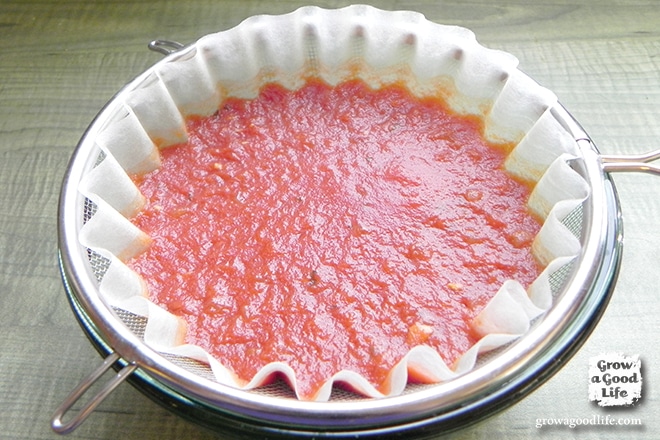
A little tomato paste can help prevent it but not always. Pasta thats been pre-cooked sitting in cold water and later reheated is now rinsed of its sticky starch so the moisture on the reheated pasta dilutes the sauce. Try cooking the pasta al dente drain thoroughly and then add the sauce over the top. However occasional stirring is important in order to. The pasta may be overcooked.
 Source: oola.com
Some cooks actually add a slurry of water and flour or cornstarch to the sauce to help thicken the sauce and prevent the effect known as a watery halo. If youre in the habit of rinsing your pasta with water after cooking it stop doing that. Pasta thats been pre-cooked sitting in cold water and later reheated is now rinsed of its sticky starch so the moisture on the reheated pasta dilutes the sauce. Drain thoroughly until its almost fully dry. If the spaghetti sauce has been cooking for several hours altogether and is yet quite watery it should be cooked on a higher flame and the vessel which is used for cooking the sauce should be left open without any kind of covering.
 Source: quora.com
If the spaghetti sauce has been cooking for several hours altogether and is yet quite watery it should be cooked on a higher flame and the vessel which is used for cooking the sauce should be left open without any kind of covering. The pasta may be overcooked. Pasta thats been pre-cooked sitting in cold water and later reheated is now rinsed of its sticky starch so the moisture on the reheated pasta dilutes the sauce. Let your pasta drain until it stops steaming. You may also be leaving too much water in your pasta after you drain it.
Source: oola.com
If the sauce is added to naked pasta the tomato sauce solids may rest on top of the pasta while the watery juicy part flows through and pools on the plate. Ive found that putting the pasta back in the hot pot and tossing it over low heat for about a minute or so with a few ladles of sauce helps. Then I can add another ladle of sauce. However occasional stirring is important in order to. The steam from freshly cooked pasta causes condensation and thus the pool of water it creates when you add the sauce.
 Source: seriouseats.com
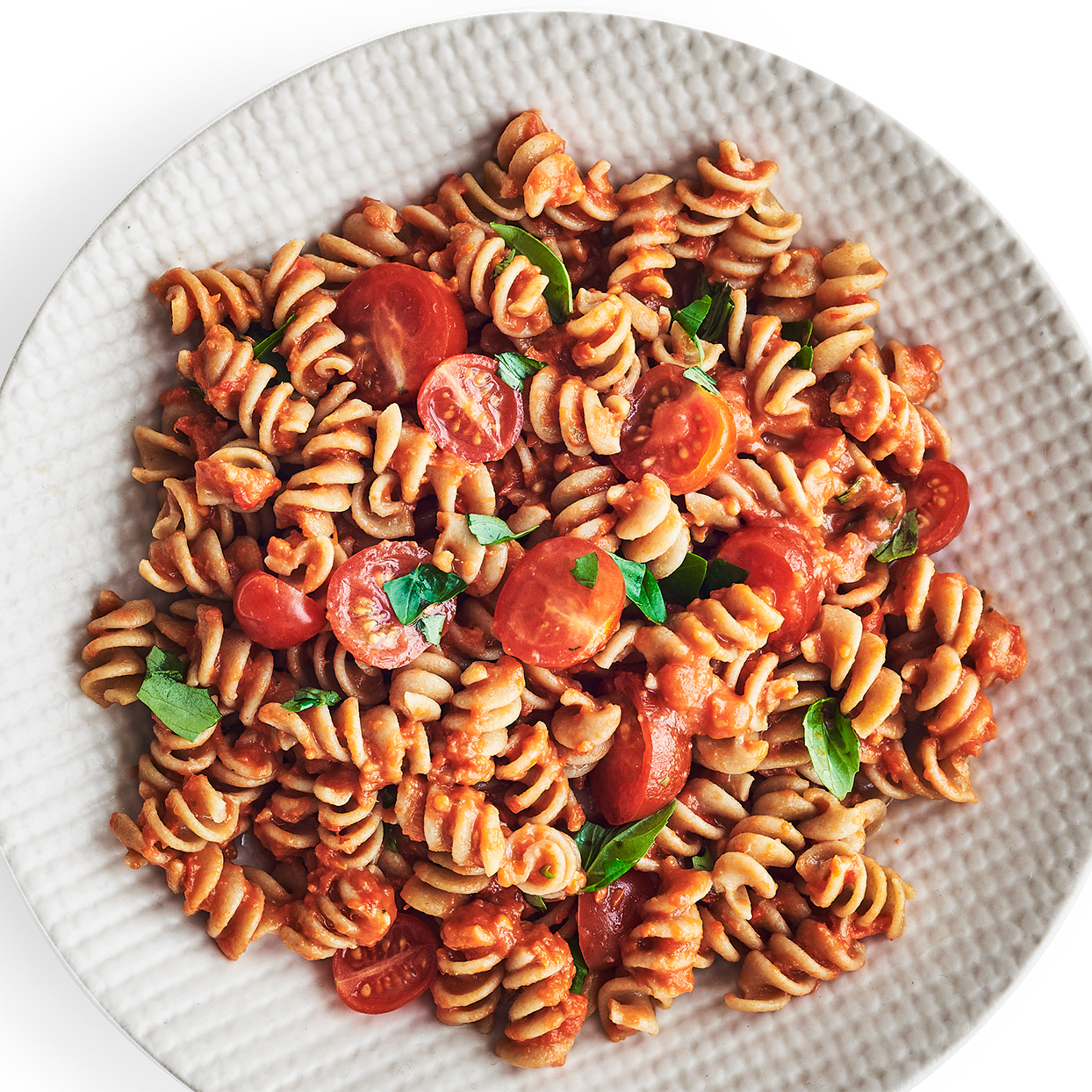
Because the juice from the tomato gets released from chunks of tomato in the sauce. Because the juice from the tomato gets released from chunks of tomato in the sauce. Cooked pasta has a layer of starch on its surfaces which helps the sauce cling and contributes to overall texture. Do not rinse off the pasta after you drain it. One of the most common reasons that spaghetti sauce gets watery is when the pasta is not drained enough.
 Source: eatingwell.com
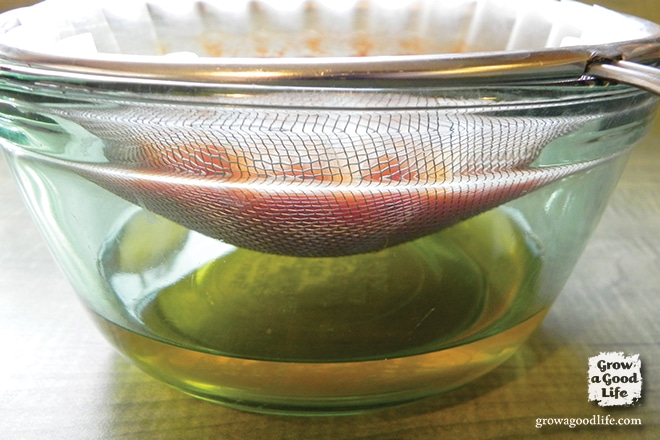
However occasional stirring is important in order to. Then add it into the sauce. If the sauce is added to naked pasta the tomato sauce solids may rest on top of the pasta while the watery juicy part flows through and pools on the plate. Heres a very easy fix. However occasional stirring is important in order to.
 Source: growagoodlife.com
Then I can add another ladle of sauce. Some cooks actually add a slurry of water and flour or cornstarch to the sauce to help thicken the sauce and prevent the effect known as a watery halo. Move the pasta around by moving the colander up and down rapidly. It distributes the sauce evenly and allows the pasta to absorb the sauce flavors. The more you toss the pasta over the colander the less water you end.
 Source: youtube.com
This may be the cause of your watery pasta. Ive found that putting the pasta back in the hot pot and tossing it over low heat for about a minute or so with a few ladles of sauce helps. Do the reducing later or mix it with a thicker commercial sauce. Drain thoroughly until its almost fully dry. Why does your spaghetti sauce get watery when you put on the cooked pasta.
 Source: goodfood.com.au
Why does your spaghetti sauce get watery when you put on the cooked pasta. Drain thoroughly until its almost fully dry. Its the pasta not necessarily the sauce. Water trapped between the strands will get a chance to escape. Why does your spaghetti sauce get watery when you put on the cooked pasta.
 Source: quora.com
Drain thoroughly until its almost fully dry. Drain thoroughly until its almost fully dry. One of the most common reasons that spaghetti sauce gets watery is when the pasta is not drained enough. Not adding pasta water or oil to the sauce Once youve combined the pasta and sauce for that one minute of melding Rupp suggests adding pasta water as well as the starch will help the sauce. The pasta will absorb any extra liquid and help to thicken the sauce.
 Source: feastandfarm.com
Not adding pasta water or oil to the sauce Once youve combined the pasta and sauce for that one minute of melding Rupp suggests adding pasta water as well as the starch will help the sauce. The more you toss the pasta over the colander the less water you end. Cooked pasta has a layer of starch on its surfaces which helps the sauce cling and contributes to overall texture. Pasta thats been pre-cooked sitting in cold water and later reheated is now rinsed of its sticky starch so the moisture on the reheated pasta dilutes the sauce. Rinsing the pasta prevents sauce adhesion and obviously adds water to the pasta surfaces.
 Source: themagicalslowcooker.com
When cooking your pasta take it out of the boiling water early so its not fully ready yet. Drain thoroughly until its almost fully dry. Do the reducing later or mix it with a thicker commercial sauce. If it appears watery after you can it leave it as is. Why does your spaghetti sauce get watery when you put on the cooked pasta.
 Source: izzycooking.com
The more you toss the pasta over the colander the less water you end. Way too many people do and it washes off the starch that you want for the sauce to bind to the pasta properly and may introduce extra water. However occasional stirring is important in order to. Because the juice from the tomato gets released from chunks of tomato in the sauce. It distributes the sauce evenly and allows the pasta to absorb the sauce flavors.
 Source: oliviascuisine.com
Water trapped between the strands will get a chance to escape. If youre in the habit of rinsing your pasta with water after cooking it stop doing that. The pasta will absorb any extra liquid and help to thicken the sauce. When cooking your pasta take it out of the boiling water early so its not fully ready yet. When you open a jar all you need to do is cook the sauce down a bit.
 Source: growagoodlife.com
Try cooking the pasta al dente drain thoroughly and then add the sauce over the top. Because the moisture of pasta conventionally cooked and drained has a sticky coat of starch on it starch that helps keep the sauce sticking to the pasta and also thickens the sauce. The gradual combination of Parmesan and pasta water is the principle behind the cult favorite cacio e pepe the queen of emulsified sauces and which youre now totally capable of. The pasta will absorb any extra liquid and help to thicken the sauce. Water trapped between the strands will get a chance to escape.
This site is an open community for users to do sharing their favorite wallpapers on the internet, all images or pictures in this website are for personal wallpaper use only, it is stricly prohibited to use this wallpaper for commercial purposes, if you are the author and find this image is shared without your permission, please kindly raise a DMCA report to Us.
If you find this site convienient, please support us by sharing this posts to your favorite social media accounts like Facebook, Instagram and so on or you can also save this blog page with the title why is my spaghetti sauce watery by using Ctrl + D for devices a laptop with a Windows operating system or Command + D for laptops with an Apple operating system. If you use a smartphone, you can also use the drawer menu of the browser you are using. Whether it’s a Windows, Mac, iOS or Android operating system, you will still be able to bookmark this website.