Your Why does my ceiling fan make noise images are available. Why does my ceiling fan make noise are a topic that is being searched for and liked by netizens today. You can Download the Why does my ceiling fan make noise files here. Download all royalty-free vectors.
If you’re looking for why does my ceiling fan make noise pictures information connected with to the why does my ceiling fan make noise topic, you have pay a visit to the ideal site. Our website frequently gives you suggestions for viewing the maximum quality video and image content, please kindly search and locate more enlightening video articles and images that fit your interests.
Why Does My Ceiling Fan Make Noise. A grinding noise may be from a faulty motor. Well you dont have to live it it. For example a grinding noise may be due to faulty noisy ceiling fan motor. The Screws Are Loose.
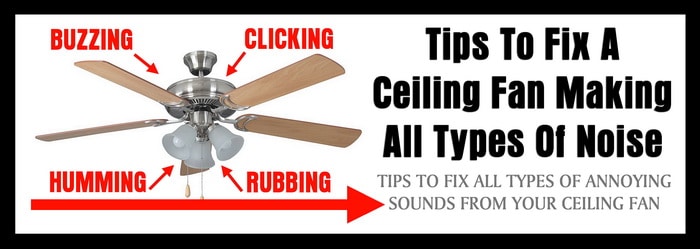 Tips To Fix A Ceiling Fan Making Noise From removeandreplace.com
If cleaning the blades didnt fix the noise that your ceiling fan is making then you have to check if your blades are still evenly placed or if any of them are bent. Many people install a dimmer switch to operate the fan with a variable speed. When you begin to hear any kind of noise coming from a ceiling fan its a sign that somethings wrong. Because this not the proper way to control fan speed you will hear a humming noise. Well you dont have to live it it. One of the noises that ceiling fans make most often is a repetitive clicking sound.
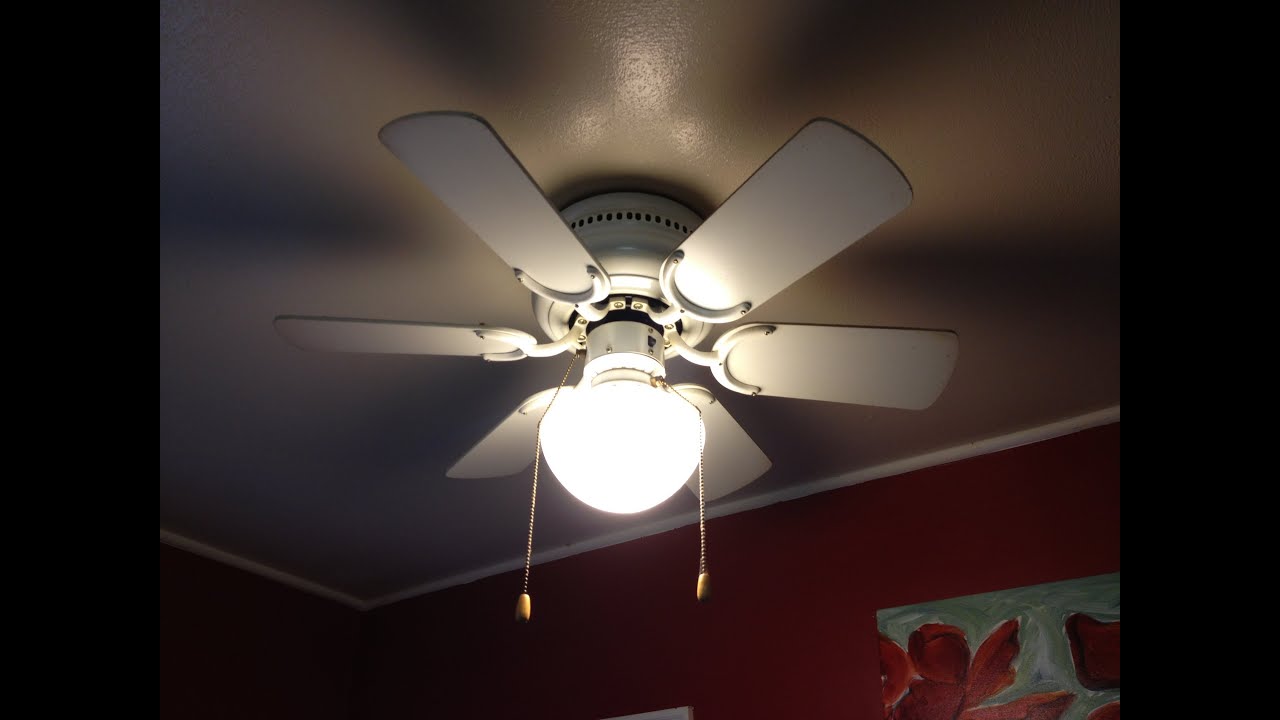
Some ceiling fans may have a globe covering the bulbs.
If your ceiling fan has a control system with a receiver a defective receiver can create a humming noise. It can also cause the humming noise because it is not working correctly with the motor. Unless the sound doesnt start after the first few days its not a danger at all. The Screws Are Loose. Your ceiling fan may be creating a rattling sound grinding noise buzzing noise rubbing noise clicking noise humming noise or squeaking noise. One of the common reasons a ceiling fan makes an electrical humming noise is that the voltage the motor is receiving is too low.
 Source: essentialhomeandgarden.com
Watch this video for troubleshooti. Do you have a noisy or vibrating overhead ceiling fan. In fact this is most likely the case if you can see that your ceiling fan is swinging in the air. However there are other reasons the fan voltage is too low. This sound is only while the fan runs.
 Source: homedepot.com
Your ceiling fan may be creating a rattling sound grinding noise buzzing noise rubbing noise clicking noise humming noise or squeaking noise. Uneven and bent blades will cause them to. In fact this is most likely the case if you can see that your ceiling fan is swinging in the air. Using a ceiling fan with a dimmer may cause noise problems as ceiling fans are not designed to work with this type of device. A buzzing noise can be from an electrical issue.
 Source: pickhvac.com
This is possible as your ceiling fan continuously spins. This sound is only while the fan runs. Using a ceiling fan with a dimmer may cause noise problems as ceiling fans are not designed to work with this type of device. Because this not the proper way to control fan speed you will hear a humming noise. Replacing the switch with a compatible one usually solves the problem.
 Source: youtube.com
A rattling sound may mean there are some loose parts. If you can only hear the occasional ticking noise. Ultimately it can lead to a whole slew of unseen dangers thatll follow-up to your safety being a concern. When you begin to hear any kind of noise coming from a ceiling fan its a sign that somethings wrong. One of the noises that ceiling fans make most often is a repetitive clicking sound.
 Source: soundproofcentral.com
A grinding noise may be from a faulty motor. It can also cause the humming noise because it is not working correctly with the motor. Well you dont have to live it it. A ceiling fan making clicking noise may be caused by blades that arent firmly attached to the fan assembly. A rattling sound may mean there are some loose parts.
 Source: youtube.com
Do you have a noisy or vibrating overhead ceiling fan. Heres how you tighten fan blade screws. Do you have a noisy or vibrating overhead ceiling fan. One of the common reasons a ceiling fan makes an electrical humming noise is that the voltage the motor is receiving is too low. A rattling sound may mean there are some loose parts.
 Source: howtofixit.net
A rattling sound may mean there are some loose parts. Having the right electric switch installed will cause less noise. Your ceiling fan may be creating a rattling sound grinding noise buzzing noise rubbing noise clicking noise humming noise or squeaking noise. Many people install a dimmer switch to operate the fan with a variable speed. This sound is only while the fan runs.
 Source: youtube.com
One of the most common causes of a humming ceiling fan is when dimmer controls are being used to control fan speed. We suggest using a Hunter control system to dim your ceiling fan lights. One of the common reasons a ceiling fan makes an electrical humming noise is that the voltage the motor is receiving is too low. When these travel into a solid structure like a ceiling joist they can become amplified and will travel much further. A ceiling fan making clicking noise may be caused by blades that arent firmly attached to the fan assembly.
 Source: quietyourdigs.com
A rattling sound may mean there are some loose parts. This sound is only while the fan runs. Dimmer switches were never intended to be used with ceiling fans. Your ceiling fan may be creating a rattling sound grinding noise buzzing noise rubbing noise clicking noise humming noise or squeaking noise. Replacing the switch with a compatible one usually solves the problem.
Source: removeandreplace.com
Sometimes getting rid of the noises can be really easy. Tighten the Motor Cover An intermittent noise or scraping noise may be caused by the fans blade brackets dragging on the fan shroud or motor housing cover. A rubbing noise may be 2 moving parts of the fan are. Replacing the switch with a compatible one usually solves the problem. Sometimes the ceiling fan connection screws become loose.
 Source: pickhvac.com
Different fan noises can be a CLUE as to what the problem may be. Well you dont have to live it it. We suggest using a Hunter control system to dim your ceiling fan lights. One of the noises that ceiling fans make most often is a repetitive clicking sound. Lights on Dimmer Switches.
 Source: smallceilingfans.com
Accordingly why does my ceiling fan make a scraping noise. This can happen from incorrect installation or from general wear and tear. Sometimes the ceiling fan connection screws become loose. Because this not the proper way to control fan speed you will hear a humming noise. One of the most common causes of a humming ceiling fan is when dimmer controls are being used to control fan speed.
 Source: aquietrefuge.com
A ceiling fan making noise can be from a variety of reasons. Avoid tightening screws too. This sound is only while the fan runs. When you begin to hear any kind of noise coming from a ceiling fan its a sign that somethings wrong. For example a grinding noise may be due to faulty noisy ceiling fan motor.
 Source: ceilingfanpro.com
This problem is easy to correct and generally only requires a set of screwdrivers. The globe should be tightened well so that it does not cause noise when the fan is spinning. Possible causes of ceiling fan noises. Ultimately it can lead to a whole slew of unseen dangers thatll follow-up to your safety being a concern. Heres how you tighten fan blade screws.
 Source: youtube.com
This can happen from incorrect installation or from general wear and tear. This is because sound waves cause vibrations and the movement of the fan can cause plenty of vibrations. One of the most common causes of a humming ceiling fan is when dimmer controls are being used to control fan speed. Well you dont have to live it it. Many people install a dimmer switch to operate the fan with a variable speed.
 Source: mistersparkykc.com
One of the most common causes of a humming ceiling fan is when dimmer controls are being used to control fan speed. Because this not the proper way to control fan speed you will hear a humming noise. If the globe is loose fix it for it to stop making noise whenever the fan is running. When you begin to hear any kind of noise coming from a ceiling fan its a sign that somethings wrong. Tighten the Motor Cover An intermittent noise or scraping noise may be caused by the fans blade brackets dragging on the fan shroud or motor housing cover.
 Source: youtube.com
If your ceiling fan has a control system with a receiver a defective receiver can create a humming noise. Dimmer switches were never intended to be used with ceiling fans. This can happen from incorrect installation or from general wear and tear. This is possible as your ceiling fan continuously spins. If the globe is loose fix it for it to stop making noise whenever the fan is running.
 Source: howtofixit.net
This is because sound waves cause vibrations and the movement of the fan can cause plenty of vibrations. Avoid tightening screws too. It will speed up or slow down with the speed of the fan. Unless the dimmer has been designed for use with a ceiling fan this could create a hum or a ticking noise. A ceiling fan making clicking noise may be caused by blades that arent firmly attached to the fan assembly.
This site is an open community for users to share their favorite wallpapers on the internet, all images or pictures in this website are for personal wallpaper use only, it is stricly prohibited to use this wallpaper for commercial purposes, if you are the author and find this image is shared without your permission, please kindly raise a DMCA report to Us.
If you find this site value, please support us by sharing this posts to your own social media accounts like Facebook, Instagram and so on or you can also save this blog page with the title why does my ceiling fan make noise by using Ctrl + D for devices a laptop with a Windows operating system or Command + D for laptops with an Apple operating system. If you use a smartphone, you can also use the drawer menu of the browser you are using. Whether it’s a Windows, Mac, iOS or Android operating system, you will still be able to bookmark this website.


