Your Which direction should return air vents face images are available in this site. Which direction should return air vents face are a topic that is being searched for and liked by netizens now. You can Find and Download the Which direction should return air vents face files here. Get all free images.
If you’re searching for which direction should return air vents face pictures information linked to the which direction should return air vents face interest, you have visit the right blog. Our website frequently gives you suggestions for refferencing the highest quality video and picture content, please kindly hunt and find more informative video articles and images that fit your interests.
Which Direction Should Return Air Vents Face. For a few different reasons its better to have a return air vent in every room than it is to have a centrally located return vent system. The return air vent openings need to be on the opposite side of the room so the conditioned air is pulled across the room. FREE Call From Tim Carter About Your Ducts. Supply air from furnaces and air conditioners should be on outside walls.
 Return Air Grille Where They Re Located And How They Work Famco From famcomfg.com
This allows any rain or other water to fall through the louvers and down behind the shutter avoiding any pooling or building in the shutter itself or in front of the window area. The return vent is usually bigger than your supply vents because its how the air handler sucks air into the HVAC system. I feel it makes sense to aim the vanes downward during the winter to pull cooler air into the system to be heated and leave the existing warm air near the ceiling. When I remove them for cleaning I put them back so that when you look up at them you dont see the dark space of the wall cavity behind them. This pulls the air across your body. Assuming your unit is outside or in your attic you want the arrow to face the unit.
When your HVAC system blows air into your home that changes the air pressure inside.
Your Return Vents Are Responsible for Air Pressure. Pointing up I guess. Make sure that you are covering the cold air. Avoid closing the vents entirely. There are several factors to consider. The return air vent openings need to be on the opposite side of the room so the conditioned air is pulled across the room.
 Source: ranckinc.com
Make sure that you are covering the cold air. Because your body is in this path way you get the benefit of either hot air or cold air being drawn across your skin providing you comfort. This allows any rain or other water to fall through the louvers and down behind the shutter avoiding any pooling or building in the shutter itself or in front of the window area. The return air vent openings need to be on the opposite side of the room so the conditioned air is pulled across the room. Some homes may not come with these kinds of vents so home owners may need to place a magnetic cover over the vent to prevent air from entering.
 Source: youtube.com
Should return air vents face up or down. That is the same with Supply vents as well IF you have adequate air flow and few cold or hot spots in the room from inadequate air. Heat travels to a cooler body. This is because the warmed or cooled air at the outside perimeter of a room forces the cooler or warmer air already in the room toward the center of the structure. Which direction should return air vents face.
 Source: energyvanguard.com
Then the return fan on the window airconditioner will recirculate and recool the air in the room. This can be much more easily achieved when return air vents. This allows any rain or other water to fall through the louvers and down behind the shutter avoiding any pooling or building in the shutter itself or in front of the window area. Open Shutters Louver Direction. And they blow whichever way you.
Source: famcomfg.com
There are several factors to consider. Open Shutters Louver Direction. In the last two years I have had two separate AC companies at my house and both AC repairman told me that I should reverse the vents so the air will blow on the windows. Avoid closing the vents entirely. I feel it makes sense to aim the vanes downward during the winter to pull cooler air into the system to be heated and leave the existing warm air near the ceiling.
 Source: pinterest.com
Make sure that you are covering the cold air. The supply vents should be in the floor and the cold air return grilles are high on wall. If the supply ducts are in the floor then the return air should be located up high. If the supply ducts are in the floor then the return air should be located up high. My vents are mostly on the floor except in the lower level which are in the ceiling.
 Source: continentalindustries.com
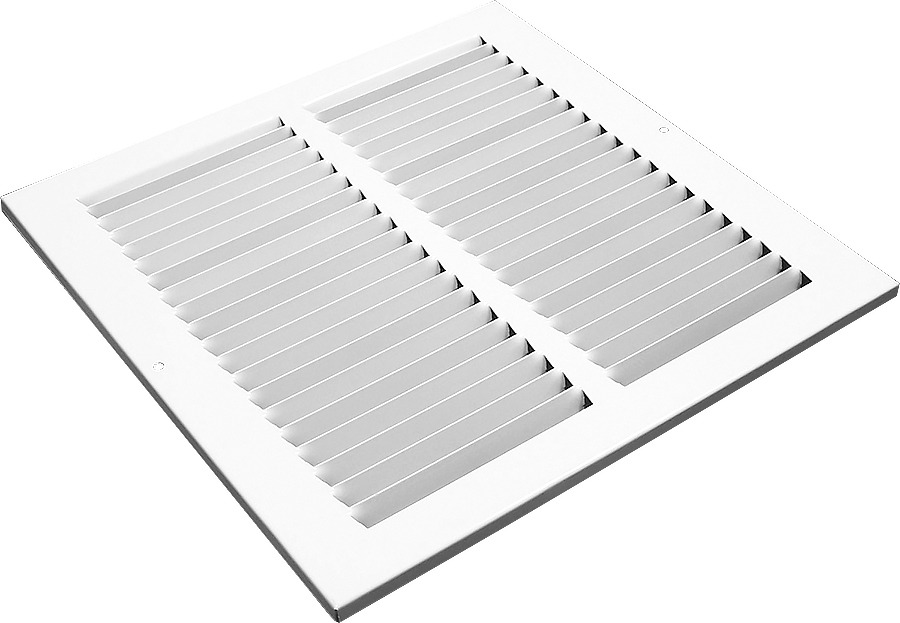
If the supply ducts are in the floor then the return air should be located up high. This pulls the air across your body. There are several factors to consider. Regarding how the louvers should slant for your Supply or Air return on the Wall or Ceiling. If the supply ducts are in the floor then the return air should be located up high.
 Source: askthebuilder.com
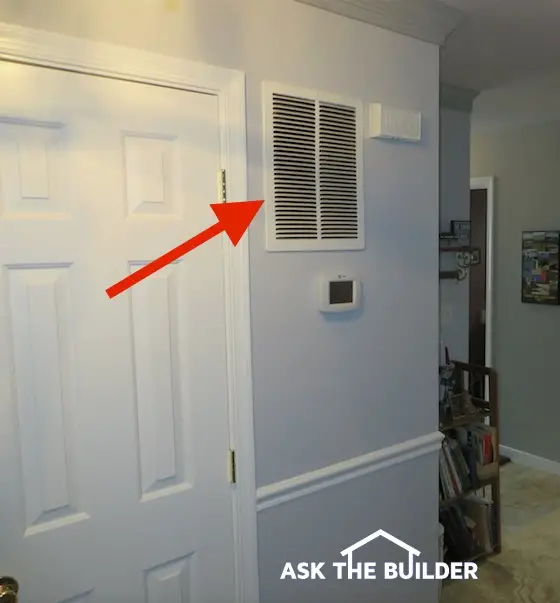
You want the air output of your HVAC system measured in cubic feet per minute to be equal to the amount of air that is sent back through your return vents. For a few different reasons its better to have a return air vent in every room than it is to have a centrally located return vent system. The best option with any ducted heating and cooling system is to keep your vents open at all times. When I remove them for cleaning I put them back so that when you look up at them you dont see the dark space of the wall cavity behind them. They are cold air returns.
 Source: continentalindustries.com
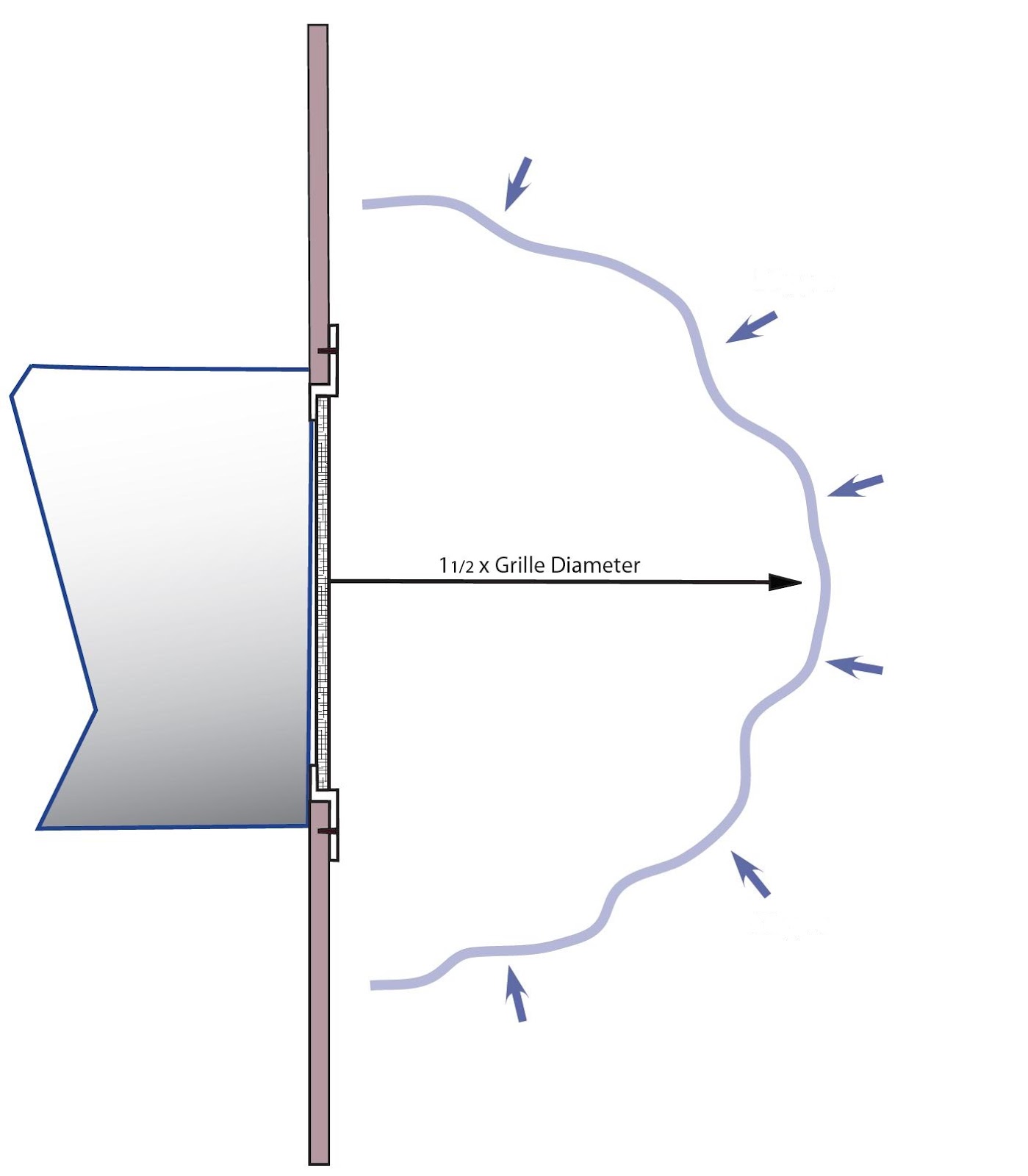
The supply vents should be in the floor and the cold air return grilles are high on wall. The supply vents should be in the floor and the cold air return grilles are high on wall. This pulls the air across your body. Make the arrows face the ceiling or wall. If the supply ducts are in the floor then the return air should be located up high.
 Source: adventair.com
The swing directs the air in all horizontal directions of the room where it operates. The low vents stay closed in the summer and the high vents stay closed in the winter. And they blow whichever way you. That is the same with Supply vents as well IF you have adequate air flow and few cold or hot spots in the room from inadequate air. This pulls the air across your body.
 Source: perfectac.com
The return vent is usually bigger than your supply vents because its how the air handler sucks air into the HVAC system. I feel it makes sense to aim the vanes downward during the winter to pull cooler air into the system to be heated and leave the existing warm air near the ceiling. The cool air will cool the air at the top of the room and the cooler air goes to the ground. And for that purpose I am not sure it matters. The excess air needs somewhere to go and that spot is the return vent.
 Source: greenbuildingadvisor.com
Should return air vents face up or down. Our cold air return vents actually have a lever that allows us to open or close the vent depending on the time of the year. Should return air vents face up or down. For one more air vents make it easier to achieve neutral pressure in your home. This is because the warmed or cooled air at the outside perimeter of a room forces the cooler or warmer air already in the room toward the center of the structure.
 Source: inspectapedia.com
The swing directs the air in all horizontal directions of the room where it operates. If the supply ducts are in the floor then the return air should be located up high. The return vent is usually bigger than your supply vents because its how the air handler sucks air into the HVAC system. My house has those crappy spec home metal frame windows so blowing warm air. When your HVAC system blows air into your home that changes the air pressure inside.
 Source: pinterest.com
Lets make this simpler though. When your HVAC system blows air into your home that changes the air pressure inside. You want the air output of your HVAC system measured in cubic feet per minute to be equal to the amount of air that is sent back through your return vents. For a few different reasons its better to have a return air vent in every room than it is to have a centrally located return vent system. The swing directs the air in all horizontal directions of the room where it operates.
 Source: youtube.com
My house has those crappy spec home metal frame windows so blowing warm air. My house has those crappy spec home metal frame windows so blowing warm air. This pulls the air across your body. The swing directs the air in all horizontal directions of the room where it operates. Try to avoid doing this to your vents as it will reduce their efficiency.
 Source: amazon.com
This allows optimum air flow for the highest possible energy efficiency. Because your body is in this path way you get the benefit of either hot air or cold air being drawn across your skin providing you comfort. Expecially a window airconditioner will work better and more efficiently if you point the fan up. This pulls the air across your body. Try to avoid doing this to your vents as it will reduce their efficiency.
 Source: custommechanical.com
And they blow whichever way you. There are several factors to consider. That is the same with Supply vents as well IF you have adequate air flow and few cold or hot spots in the room from inadequate air. For a few different reasons its better to have a return air vent in every room than it is to have a centrally located return vent system. And for that purpose I am not sure it matters.
 Source: pinterest.com
Assuming your unit is outside or in your attic you want the arrow to face the unit. Pointing up I guess. Lets make this simpler though. Make the arrows face the ceiling or wall. Make sure that you are covering the cold air.
 Source: inspectapedia.com
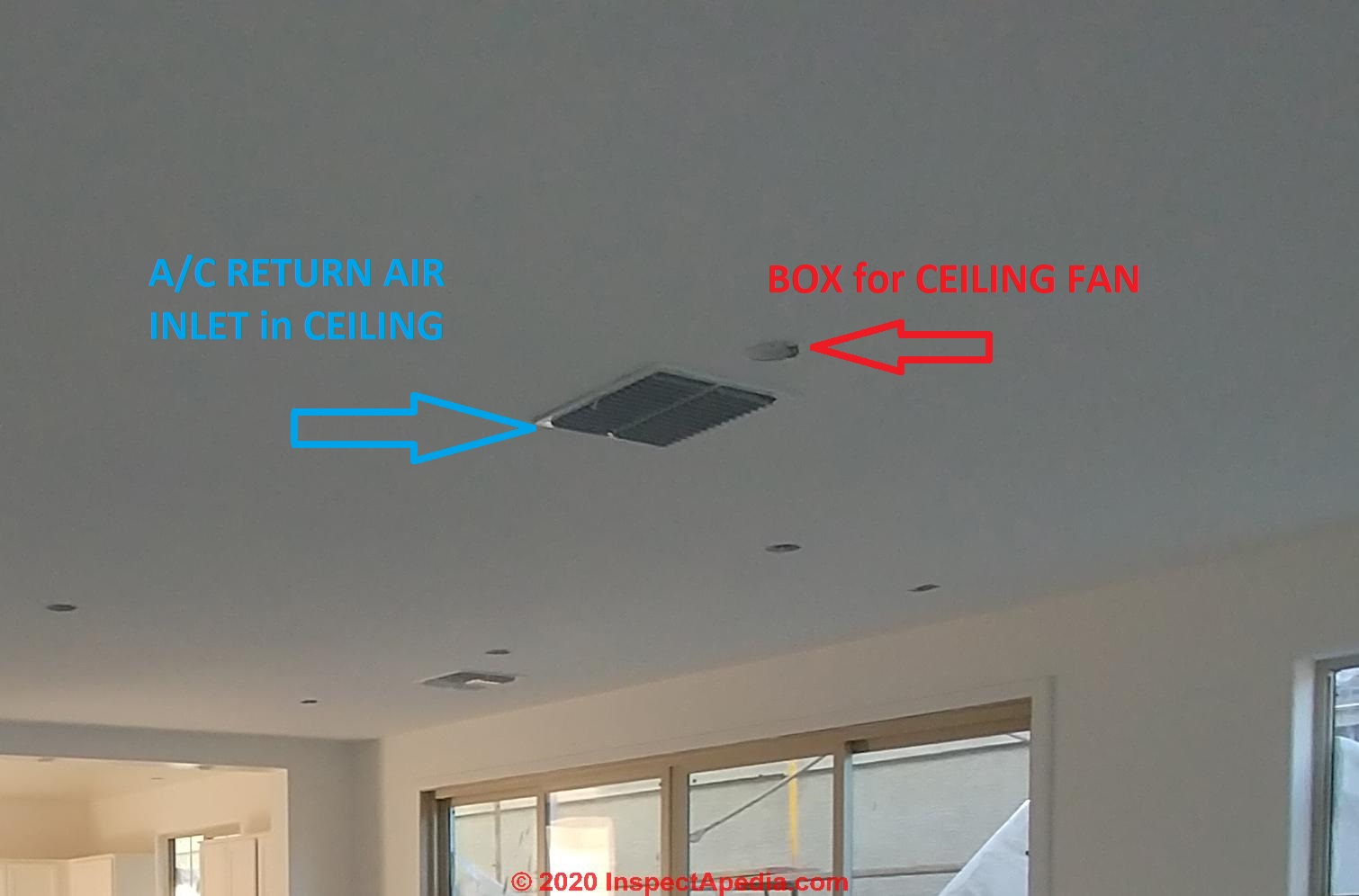
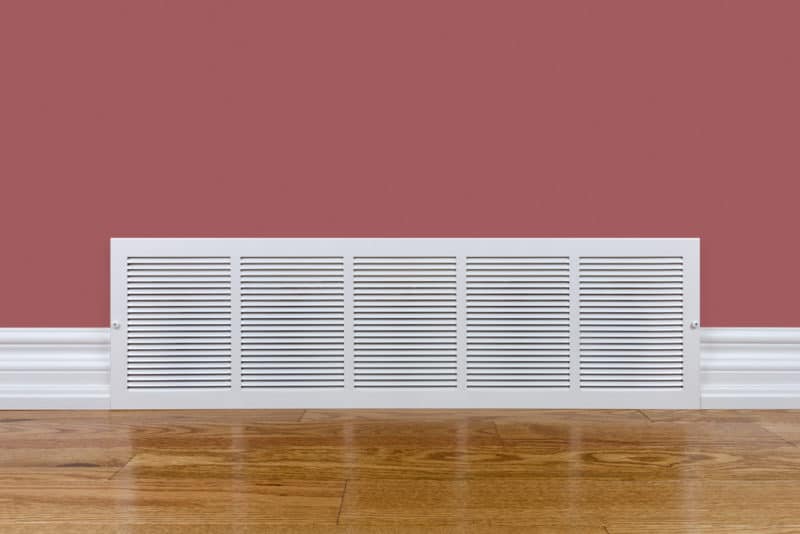
The return covers have directional vanes which can either be aimed down pulling air from below the return or up pulling air from above returnceiling level. The supply vents should be in the floor and the cold air return grilles are high on wall. If the swing does not work or is malfunctioning then air gets directed in a single direction wherever the louvers are directed to last. Your Return Vents Are Responsible for Air Pressure. Pointing up I guess.
This site is an open community for users to do sharing their favorite wallpapers on the internet, all images or pictures in this website are for personal wallpaper use only, it is stricly prohibited to use this wallpaper for commercial purposes, if you are the author and find this image is shared without your permission, please kindly raise a DMCA report to Us.
If you find this site beneficial, please support us by sharing this posts to your preference social media accounts like Facebook, Instagram and so on or you can also save this blog page with the title which direction should return air vents face by using Ctrl + D for devices a laptop with a Windows operating system or Command + D for laptops with an Apple operating system. If you use a smartphone, you can also use the drawer menu of the browser you are using. Whether it’s a Windows, Mac, iOS or Android operating system, you will still be able to bookmark this website.