Your Where do snapping turtles go in the winter images are ready. Where do snapping turtles go in the winter are a topic that is being searched for and liked by netizens today. You can Find and Download the Where do snapping turtles go in the winter files here. Get all free images.
If you’re searching for where do snapping turtles go in the winter images information connected with to the where do snapping turtles go in the winter topic, you have visit the right site. Our website frequently gives you suggestions for refferencing the highest quality video and image content, please kindly search and locate more informative video content and images that match your interests.
Where Do Snapping Turtles Go In The Winter. While practical for. Weve found that all species choose to hibernate in wetland locations that hover just above freezing that they move around under the ice hibernate in groups and return to the same places. Where Aquatic Turtles Go in the Winter When winter comes aquatic turtles will usually go inside a lake or pond to hibernate. They absorb the little bit they still need from the water through their skin specifically the blood-vessel-dense area around their cloaca.
 Snapping Turtles Are Remarkably Cold Tolerant And While They Do Hibernate They Have Also Been Known To Swim Under Frozen Ponds During The Winter When Hibernating They Do Not Breathe For Months From reddit.com
Turtles have lungs and require oxygen to breathe. Snapping turtles lay their soft round eggs in holes shaped like a vase. When do turtles sleep. Just like other turtle species lake turtles also lower their metabolism. While some sleep in water some sleep on land. So when a turtle submerges underwater in the winter in really cold water its metabolism slows way way down and it needs much less oxygen and energy to survive.
If they cant find a good spot underwater they will try to burrow themselves in the ground find a tree hollow or a dense pile of leaves.
They lie beneath the lake surface and become inactive. Turtles that make their home in water have basically the same needs except they go to the bottom of a pond to find a protected spot to burrow under debris. To avoid these subfreezing temperatures Minnesotas turtles seek refuge under the ice in ponds lakes and rivers that do not freeze solid. A few species such as the common snapping turtles and stinkpots Sternotherus oderatus are actually nocturnal. While some sleep in water some sleep on land. Where Aquatic Turtles Go in the Winter When winter comes aquatic turtles will usually go inside a lake or pond to hibernate.
 Source: turtleguardians.com
They may dig their nestscalled clutcheson the bank of a body of water or even up to a mile or so away from any water source. They can spend month after month on. Though inactive lake turtles remain alert to changes in temperature and light that signal the coming spring. Painted turtles and snapping turtles spend their winters in lakes or ponds living beneath the ice the forms. Gibbons and Nelson 1978.
 Source: threeriversparks.org
Well it depends on the species. They usually prefer to hibernate underwater but if that option is not available they will try to find other suitable places that will protect them from the cold. They survive because of a variety of adaptations. They lie beneath the lake surface and become inactive. To avoid these subfreezing temperatures Minnesotas turtles seek refuge under the ice in ponds lakes and rivers that do not freeze solid.
 Source: pinterest.com
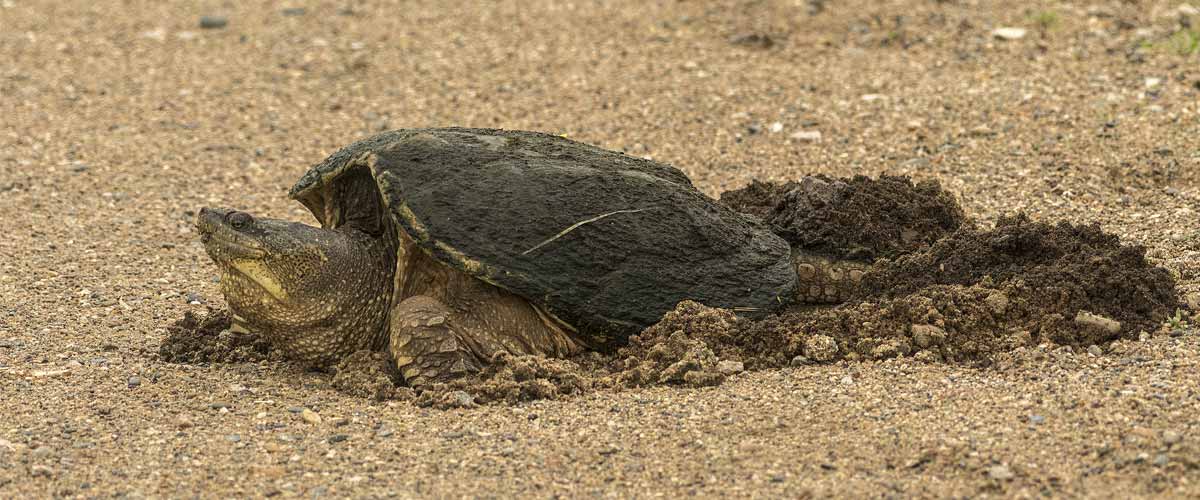
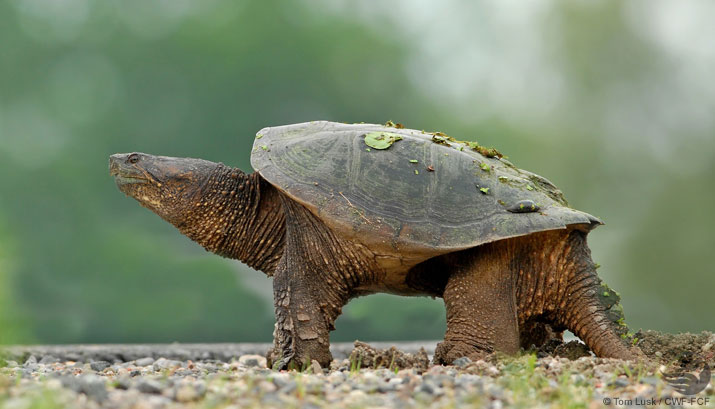
During the last warm days of fall motorists may see snapping turtles crossing roadways as they begin looking for a place to spend the winter. Hatchling Painted Turtles Chrysemys picta are the exception as they typically overwinter in the nest cavity and emerge the following spring Paukstis et al 1989. In lieu of air turtles rely on stored energy and cloacal breathing to survive the duration of winter drawing oxygen from water as it passes over blood vessels in the skin mouth and cloaca or the hind end. Lab experiments have shown that adults can survive for more than 100 days in water at 3C without food or oxygen. Turtles are ectotherms or cold blooded animals meaning a turtles temperature will match that of its surroundings.
 Source: dickinsoncountyconservationboard.com
Nestled in the mud their metabolism slows. But also even the ones that are sitting there on the bottom - lets say snapping turtles - have a reputation for being able to kind of shut their bodies down. Lake turtles become dormant in winter. Lab experiments have shown that adults can survive for more than 100 days in water at 3C without food or oxygen. Turtles have lungs and require oxygen to breathe.
 Source: everythingreptiles.com
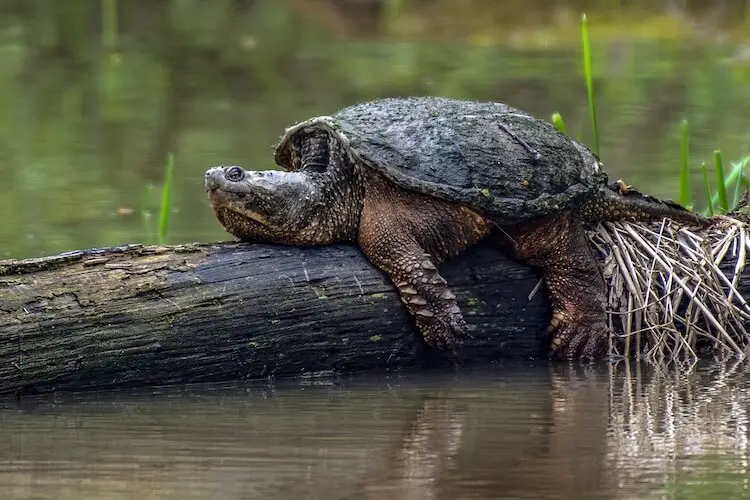
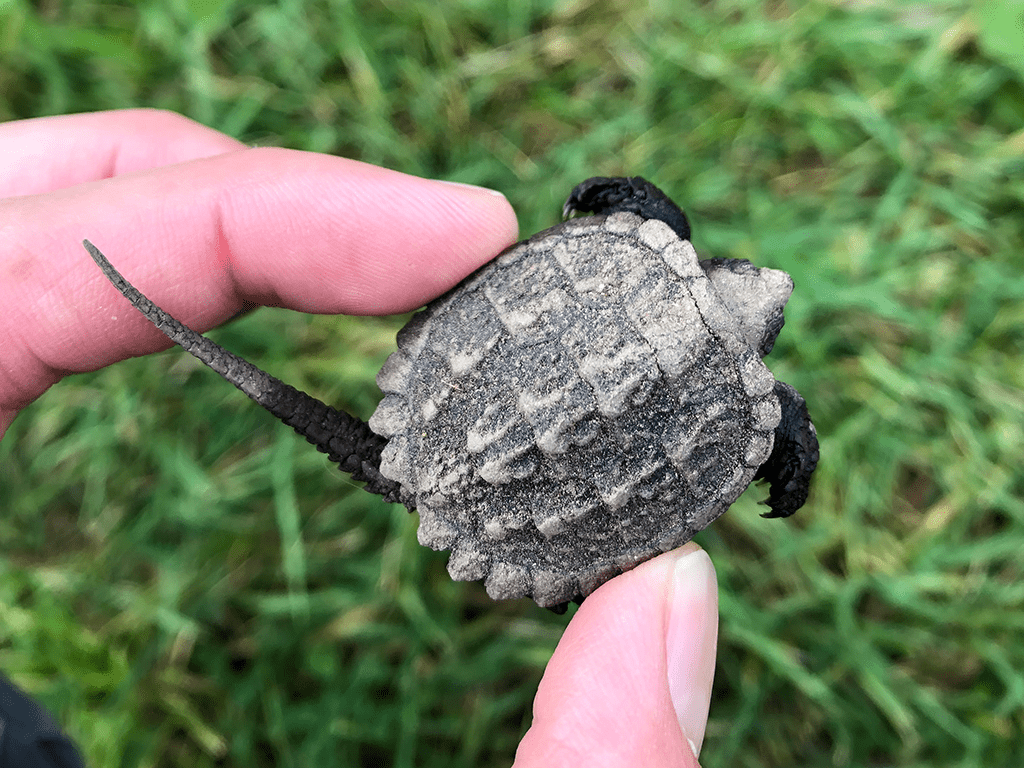
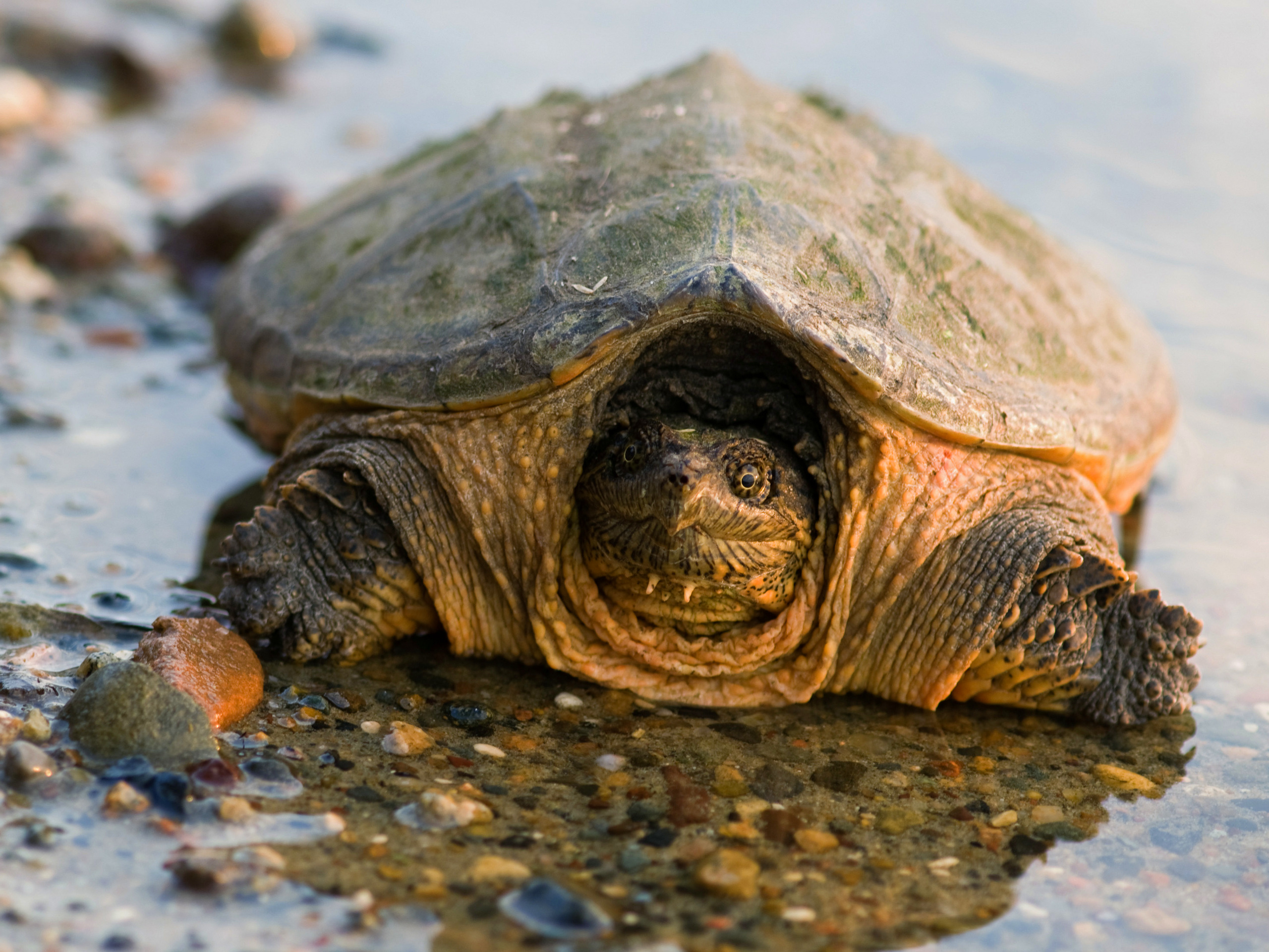
This poses a problem when winter comes because if their bodies freeze turtles wont survive. In the wild Snapping turtles will usually hibernate at the bottom of a lake or pond covered in a pile of leaves or in a hole in the ground. Hatchling painted turtles emerge from their eggs in Autumn but stay underground in the nest on land for the winter and emerge in the spring. While some sleep in water some sleep on land. The cloaca is the all-purpose final stop at the end of the turtles digestive track.
 Source: maineaudubon.org
Painted turtles and snapping turtles spend their winters in lakes or ponds living beneath the ice the forms. Where Do Lake Turtles Go In The Winter. Most pet turtles are diurnal and as such sleep at night. Turtles have lungs and require oxygen to breathe. Aquatic turtles do submerge to the bottoms of lakes ponds and rivers in the winters.
 Source: pinterest.com
In my corner of the Northeast snapping turtles hibernate five or six. Snapping turtles tend to wander from pond to. Painted turtles and snapping turtles spend their winters in lakes or ponds living beneath the ice the forms. Gibbons and Nelson 1978. Hatchling painted turtles emerge from their eggs in Autumn but stay underground in the nest on land for the winter and emerge in the spring.
 Source: reptilianostra.com
Where Aquatic Turtles Go in the Winter When winter comes aquatic turtles will usually go inside a lake or pond to hibernate. Turtle metabolism slows down in cold water. In the winter though their oxygen needs drop considerably. Lake turtles become dormant in winter. Turtles have lungs and require oxygen to breathe.
 Source: animalia.bio
They absorb the little bit they still need from the water through their skin specifically the blood-vessel-dense area around their cloaca. In my corner of the Northeast snapping turtles hibernate five or six. They go as deep as possible for protection from raccoons dogs and other predators. They do not hibernate the entire winter. While practical for.
 Source: youtube.com
Hatchling Painted Turtles Chrysemys picta are the exception as they typically overwinter in the nest cavity and emerge the following spring Paukstis et al 1989. A few species such as the common snapping turtles and stinkpots Sternotherus oderatus are actually nocturnal. But also even the ones that are sitting there on the bottom - lets say snapping turtles - have a reputation for being able to kind of shut their bodies down. While some sleep in water some sleep on land. Turtle metabolism slows down in cold water.
 Source: cwf-fcf.org
Turtles are ectotherms or cold blooded animals meaning a turtles temperature will match that of its surroundings. They may dig their nestscalled clutcheson the bank of a body of water or even up to a mile or so away from any water source. Well it depends on the species. Aquatic turtles do submerge to the bottoms of lakes ponds and rivers in the winters. They go as deep as possible for protection from raccoons dogs and other predators.
 Source: pinterest.com
But also even the ones that are sitting there on the bottom - lets say snapping turtles - have a reputation for being able to kind of shut their bodies down. They may dig their nestscalled clutcheson the bank of a body of water or even up to a mile or so away from any water source. This poses a problem when winter comes because if their bodies freeze turtles wont survive. Snapping turtles lay their soft round eggs in holes shaped like a vase. Gibbons and Nelson 1978.
 Source: reptilesmagazine.com
Turtles that make their home in water have basically the same needs except they go to the bottom of a pond to find a protected spot to burrow under debris. Snapping turtles tend to wander from pond to. They are safe there for two or three months. Aquatic turtles do submerge to the bottoms of lakes ponds and rivers in the winters. Turtle metabolism slows down in cold water.
Source: reddit.com
While some sleep in water some sleep on land. As you probably know turtles are cold-blooded so their body temperature is dependent on the temperature of their environment. So when a turtle submerges underwater in the winter in really cold water its metabolism slows way way down and it needs much less oxygen and energy to survive. If oxygen becomes depleted painting and snapping turtles can switch to anaerobic respiration which is a form of metabolism that does not require oxygen. They do not hibernate the entire winter.
 Source: fllt.org
They go as deep as possible for protection from raccoons dogs and other predators. In the wild Snapping turtles will usually hibernate at the bottom of a lake or pond covered in a pile of leaves or in a hole in the ground. To avoid these subfreezing temperatures Minnesotas turtles seek refuge under the ice in ponds lakes and rivers that do not freeze solid. Hatchling Painted Turtles Chrysemys picta are the exception as they typically overwinter in the nest cavity and emerge the following spring Paukstis et al 1989. During the winter when.
 Source: nature.mdc.mo.gov
As you probably know turtles are cold-blooded so their body temperature is dependent on the temperature of their environment. Though inactive lake turtles remain alert to changes in temperature and light that signal the coming spring. They lie beneath the lake surface and become inactive. In my corner of the Northeast snapping turtles hibernate five or six. Turtle metabolism slows down in cold water.
 Source: sudbury.com
But also even the ones that are sitting there on the bottom - lets say snapping turtles - have a reputation for being able to kind of shut their bodies down. Turtle metabolism slows down in cold water. Where Aquatic Turtles Go in the Winter When winter comes aquatic turtles will usually go inside a lake or pond to hibernate. In lieu of air turtles rely on stored energy and cloacal breathing to survive the duration of winter drawing oxygen from water as it passes over blood vessels in the skin mouth and cloaca or the hind end. Well it depends on the species.
 Source: pinterest.com
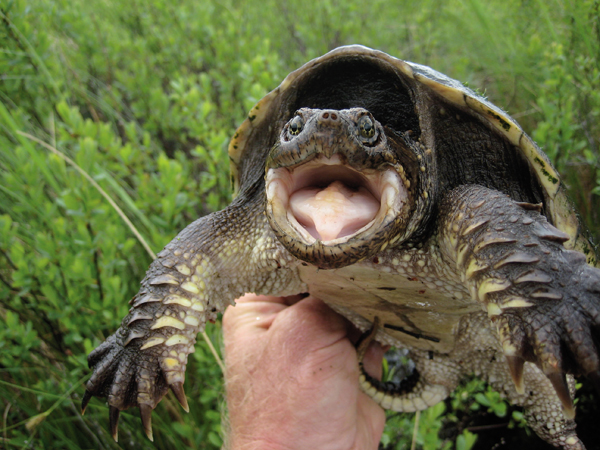
Do turtles sleep in water. In the wild Snapping turtles will usually hibernate at the bottom of a lake or pond covered in a pile of leaves or in a hole in the ground. Painted turtles and snapping turtles spend their winters in lakes or ponds living beneath the ice the forms. They survive because of a variety of adaptations. Turtles have strong claws that can score and part the earth.
This site is an open community for users to submit their favorite wallpapers on the internet, all images or pictures in this website are for personal wallpaper use only, it is stricly prohibited to use this wallpaper for commercial purposes, if you are the author and find this image is shared without your permission, please kindly raise a DMCA report to Us.
If you find this site beneficial, please support us by sharing this posts to your preference social media accounts like Facebook, Instagram and so on or you can also bookmark this blog page with the title where do snapping turtles go in the winter by using Ctrl + D for devices a laptop with a Windows operating system or Command + D for laptops with an Apple operating system. If you use a smartphone, you can also use the drawer menu of the browser you are using. Whether it’s a Windows, Mac, iOS or Android operating system, you will still be able to bookmark this website.


