Your When to cut back black eyed susans images are available in this site. When to cut back black eyed susans are a topic that is being searched for and liked by netizens now. You can Download the When to cut back black eyed susans files here. Download all royalty-free vectors.
If you’re looking for when to cut back black eyed susans pictures information linked to the when to cut back black eyed susans keyword, you have visit the right blog. Our site frequently gives you hints for seeing the maximum quality video and picture content, please kindly search and locate more informative video content and graphics that fit your interests.
When To Cut Back Black Eyed Susans. Cut back the stalks of perennial black-eyed susans in the late autumn after the plant has wilted to the ground if you prefer a cleaner flowerbed over the winter. How to Grow Black-Eyed Susan From Seed Black-eyed Susans can be started indoors from seed. Once the first frost happens they can be leveled to the ground. Just be mindful not to go deeper in cutting and accidentally damaging the roots so.
 Perennial Results Plant View Rudbeckia Fulgida Goldsturm Flowers Perennials Perennials Black Eyed Susan From pinterest.com
And if you want another flowering by the end of fall you can cut them back after the first bloom. When they reach this height simply lop off four to six inches below the flower petals during the middle of the growing season. Because black-eyed Susans are so hardy however you can transplant them anytime. You can even deadhead your black-eyed susans to extend the blooming season. The best time to do this is in fall or the beginning of spring when your plants are around three years old. Just be mindful not to go deeper in cutting and accidentally damaging the roots so.
33 Related Question Answers Found.
Cut back the the entire black-eyed Susan plant after the first fall frost kills off any remaining flowers. Black-Eyed Susan Pruning Once a flower has started to wilt deadhead it to encourage more flowering. Leave three or four inches of the stem above the basal leaves to avoid injuring the plant. After the flowering season cut back your black-eyed Susans to 2 inches from the ground. This will also give them an earlier start in spring. You can cut back black-eyed Susans after they flower and a second smaller bloom may occur in late fall.
 Source: highcountrygardens.com
How to Grow Black-Eyed Susan From Seed Black-eyed Susans can be started indoors from seed. Leave three or four inches of the stem above the basal leaves to avoid injuring the plant. You can even deadhead your black-eyed susans to extend the blooming season. If playback doesnt begin shortly try restarting your device. Clear mulch away in the spring if you placed it around the perennial black-eyed susans.
 Source: flowerpatchfarmhouse.com
Once the first frost happens they can be leveled to the ground. The seed heads can also be cut and dried to propagate new plants. It only takes three steps to learn how to divide black eyed susans and the process itself is relatively straightforward. Black-Eyed Susan Pruning Once a flower has started to wilt deadhead it to encourage more flowering. Cutting Back Black-eyed Susans If you want to promote a shorter and bushier growth for your black-eyed Susan flowers you can cut them back where they reach about 12 inches in height.
 Source: dcmga.com
Cutting Back Black-eyed Susans If you want to promote a shorter and bushier growth for your black-eyed Susan flowers you can cut them back where they reach about 12 inches in height. Cut A Black-eyed Susan All The Way Back To The Root. Cut back the the entire black-eyed Susan plant after the first fall frost kills off any remaining flowers. After the flowering season cut back your black-eyed Susans to 2 inches from the ground. In colder climates cut the plants back to a few inches tall after they finish blooming.
 Source: 6bcgarden.org
You can even deadhead your black-eyed susans to extend the blooming season. And if you want another flowering by the end of fall you can cut them back after the first bloom. In fall you can cut this perennial back to 2 inches above the soil line if the plant is diseased or you consider the. Cut back the stalks of perennial black-eyed susans in the late autumn after the plant has wilted to the ground if you prefer a cleaner flowerbed over the winter. After the flowering season cut back your black-eyed Susans to 2 inches from the ground.
 Source: florgeous.com
You can also divide the clump if it is overgrown then wash the roots to make sectioning easier. If you cut back stalks of perennial Black-Eyed Susan wait until late fall when the plant is completely dormant. Divide and move black-eyed Susans when they are dormant usually fall or early spring. Once the first frost happens they can be leveled to the ground. Clear mulch away in the spring if you placed it around the perennial black-eyed susans.
 Source: gardeningwithcharlie.com
Black-eyed Susans Rudbeckia add a. Clear mulch away in the spring if you placed it around the perennial black-eyed susans. Cut back the plant to make it easier to dig around and lift it. If you cut back stalks of perennial Black-Eyed Susan wait until late fall when the plantis completely dormant. Cut back the stalks of perennial black-eyed susans in the late autumn after the plant has wilted to the ground if you prefer a cleaner flowerbed over the winter.
 Source: homeguides.sfgate.com
Leave three or four inches of the stem above the basal leaves to avoid injuring the plant. If you cut back stalks of perennial Black-Eyed Susan wait until late fall when the plantis completely dormant. It only takes three steps to learn how to divide black eyed susans and the process itself is relatively straightforward. Cut back the stalks of perennial black-eyed susans in the late autumn after the plant has wilted to the ground if you prefer a cleaner flowerbed over the winter. In colder climates cut the plants back to a few inches tall after they finish blooming.
 Source: bhg.com
Cutting Back Black-eyed Susans If you want to promote a shorter and bushier growth for your black-eyed Susan flowers you can cut them back where they reach about 12 inches in height. Common problems in black-eyed susans are generally easy to prevent under ideal growing conditions and management. This will also give them an earlier start in spring. Black-eyed Susans Rudbeckia add a. Videos you watch may be added to the TVs watch history and influence TV recommendations.
 Source: gardeningknowhow.com
Cut back the the entire black-eyed Susan plant after the first fall frost kills off any remaining flowers. Common problems in black-eyed susans are generally easy to prevent under ideal growing conditions and management. Cutting Back Black-eyed Susans If you want to promote a shorter and bushier growth for your black-eyed Susan flowers you can cut them back where they reach about 12 inches in height. Videos you watch may be added to the TVs watch history and influence TV recommendations. Black-Eyed Susan Pruning Once a flower has started to wilt deadhead it to encourage more flowering.
 Source: gardenerspath.com
Cover the plant well with a mulch of dried leaves especially in the first year after planting or. Divide and move black-eyed Susans when they are dormant usually fall or early spring. And if you want another flowering by the end of fall you can cut them back after the first bloom. In autumn cut Black Eyed Susan back to about 4 tall 10 cm or if you wouldnt mind a few more Black Eyed Susan plants let the last blooms go to seed for the birds. Common problems in black-eyed susans are generally easy to prevent under ideal growing conditions and management.
 Source: youtube.com
Black-Eyed Susan Pruning Once a flower has started to wilt deadhead it to encourage more flowering. It only takes three steps to learn how to divide black eyed susans and the process itself is relatively straightforward. Pruning isnt required but if the stalk is withered use sterilized pruning shears to snip it. How to Grow Black-Eyed Susan From Seed Black-eyed Susans can be started indoors from seed. Videos you watch may be added to the TVs watch history and influence TV recommendations.
 Source: gardenmanage.com
Because black-eyed Susans are so hardy however you can transplant them anytime. You can even deadhead your black-eyed susans to extend the blooming season. In fall you can cut this perennial back to 2 inches above the soil line if the plant is diseased or you consider the. This will rejuvenate your black-eyed susans for better growth in the next season. 33 Related Question Answers Found.
 Source: pinterest.com
In autumn cut Black Eyed Susan back to about 4 tall 10 cm or if you wouldnt mind a few more Black Eyed Susan plants let the last blooms go to seed for the birds. Cut back the plant to make it easier to dig around and lift it. Because black-eyed Susans are so hardy however you can transplant them anytime. If you cut back stalks of perennial Black-Eyed Susan wait until late fall when the plantis completely dormant. It only takes three steps to learn how to divide black eyed susans and the process itself is relatively straightforward.
 Source: miraclegro.com
Cut back the plant to make it easier to dig around and lift it. Black-Eyed Susan Pruning Once a flower has started to wilt deadhead it to encourage more flowering. Cut back the stalks of perennial black-eyed susans in the late autumn after the plant has wilted to the ground if you prefer a cleaner flowerbed over the winter. Ideally transplant your black-eyed Susans in the fall so that their roots can establish before the winter weather arrives. You can cut back black-eyed Susans after they flower and a second smaller bloom may occur in late fall.
 Source: miraclegro.com
Cut back the the entire black-eyed Susan plant after the first fall frost kills off any remaining flowers. You can cut back black-eyed Susans after they flower and a second smaller bloom may occur in late fall. In colder climates cut the plants back to a few inches tall after they finish blooming. You can even deadhead your black-eyed susans to extend the blooming season. Common problems in black-eyed susans are generally easy to prevent under ideal growing conditions and management.
Source: pinterest.com
Black-eyed Susans Rudbeckia add a. Pruning isnt required but if the stalk is withered use sterilized pruning shears to snip it. Once the first frost happens they can be leveled to the ground. Cut A Black-eyed Susan All The Way Back To The Root. Cut back the plant to make it easier to dig around and lift it.
 Source: elizabethton.com
How to Grow Black-Eyed Susan From Seed Black-eyed Susans can be started indoors from seed. It only takes three steps to learn how to divide black eyed susans and the process itself is relatively straightforward. If playback doesnt begin shortly try restarting your device. Just be mindful not to go deeper in cutting and accidentally damaging the roots so. This will rejuvenate your black-eyed susans for better growth in the next season.
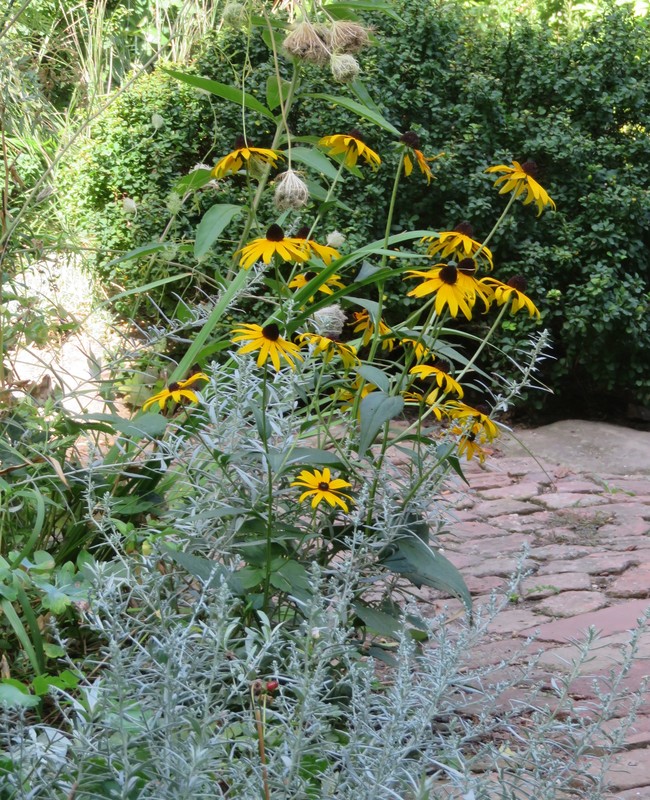 Source: 6bcgarden.org
Because black-eyed Susans are so hardy however you can transplant them anytime. In autumn cut Black Eyed Susan back to about 4 tall 10 cm or if you wouldnt mind a few more Black Eyed Susan plants let the last blooms go to seed for the birds. Because black-eyed Susans are so hardy however you can transplant them anytime. Pruning isnt required but if the stalk is withered use sterilized pruning shears to snip it. This will also give them an earlier start in spring.
This site is an open community for users to submit their favorite wallpapers on the internet, all images or pictures in this website are for personal wallpaper use only, it is stricly prohibited to use this wallpaper for commercial purposes, if you are the author and find this image is shared without your permission, please kindly raise a DMCA report to Us.
If you find this site convienient, please support us by sharing this posts to your own social media accounts like Facebook, Instagram and so on or you can also save this blog page with the title when to cut back black eyed susans by using Ctrl + D for devices a laptop with a Windows operating system or Command + D for laptops with an Apple operating system. If you use a smartphone, you can also use the drawer menu of the browser you are using. Whether it’s a Windows, Mac, iOS or Android operating system, you will still be able to bookmark this website.