Your When to cover plants for frost images are ready in this website. When to cover plants for frost are a topic that is being searched for and liked by netizens now. You can Find and Download the When to cover plants for frost files here. Download all royalty-free vectors.
If you’re looking for when to cover plants for frost pictures information connected with to the when to cover plants for frost interest, you have pay a visit to the right site. Our site always provides you with suggestions for refferencing the maximum quality video and picture content, please kindly hunt and locate more enlightening video articles and graphics that match your interests.
When To Cover Plants For Frost. Prepare for dipping temperatures now so your garden will come through the winter beautifully. Use frost cloth burlap drop cloths sheets blankets or even newspapers to cover plants. When using cloches to ward against frost place them over your plants just before nightfall and uncover them in the morning so they can benefit from the warmth and energy of the sun. Certain cold-hardy plants such as spinach broccoli and onions can tolerate some frost.
 Last Minute Protection From Frost Growing Tomatoes Indoors Winter Plants Growing Tomatoes From pinterest.com
To protect plants from frost you will need to cover them to keep the moisture from freezing. To determine the length of the stakes measure the height of your tallest plant and then add two feet. To keep your tomato plants productive for as long into autumn as possible they will need to be covered up each evening when temperatures dip below 50F 10C. Certain cold-hardy plants such as spinach broccoli and onions can tolerate some frost. There are a lot of different brands of plant covers for frost protection on the market but its important to know that not all of them are of good quality. Explore 8 ways to enjoy Georgia.
Explore 8 ways to enjoy Georgia.
Bedsheets plastic straw hay mulch leaves and anything else you have on hand that will insulate will do the trick in protecting your plants. Cover plants before sundown to trap the stored heat from during the day. I read about it in a story about young Chinese farmers asking their elders what do do in an emergency. Use Individual Plant Covers or Winter Cloches Some plants need extra protection you have a few frost-tender seedlings growing early in the season or youve still got a handful of plants trying valiantly to ripen as winter draws near. Do not use plastic. Remove the cover daily When the temperature rises above 40 degrees you should remove the cloth cover to let your plant soak in sunlight which will.
 Source: pinterest.com
To determine the length of the stakes measure the height of your tallest plant and then add two feet. Threat of frost usually occurs overnight when the temperature drops low enough to freeze the moisture on plant leaves and buds. Use frost cloth burlap drop cloths sheets blankets or even newspapers to cover plants. When using cloches to ward against frost place them over your plants just before nightfall and uncover them in the morning so they can benefit from the warmth and energy of the sun. Use Individual Plant Covers or Winter Cloches Some plants need extra protection you have a few frost-tender seedlings growing early in the season or youve still got a handful of plants trying valiantly to ripen as winter draws near.
Source: pinterest.com
The next day once temperatures rise. Remove the cover daily When the temperature rises above 40 degrees you should remove the cloth cover to let your plant soak in sunlight which will. Cover your plants if a frost or freeze is expected especially cold-sensitive ones like tomatoes. Certain cold-hardy plants such as spinach broccoli and onions can tolerate some frost. Threat of frost usually occurs overnight when the temperature drops low enough to freeze the moisture on plant leaves and buds.
 Source: pinterest.com
While an unexpected frost can leave many gardeners scrambling to. Be sure that you uncover them first thing in the morning. Plant covers for frost protection are necessary to keep the moisture from freezing and you should cover plants when they are vulnerable to frost with a high-quality frost cover. You can learn more about the temperatures that vegetable plants can tolerate in this article from the Old Farmers Almanac. Certain cold-hardy plants such as spinach broccoli and onions can tolerate some frost.
 Source: pinterest.com
While an unexpected frost can leave many gardeners scrambling to. If you wait to cover it until after nightfall the heat may have dissipated. I have tried it with a trombone sprayer at 5 am in an orchard in early bloom and with a watering can in a greenhouse that. I read about it in a story about young Chinese farmers asking their elders what do do in an emergency. Cover plants before sundown to trap the stored heat from during the day.
 Source: pinterest.com
Give them a Blanket. Bedsheets plastic straw hay mulch leaves and anything else you have on hand that will insulate will do the trick in protecting your plants. Its just for those unexpected emergency cold snaps but a coating of ice on your plants before the sun hits them in the morning will prevent frost damage on most plants. If you are only expecting a light freeze you may be able to protect plants in a freeze simply by covering them with a sheet or a blanket. The warmth may be enough to keep a plant from freezing during a short cold snap.
 Source: pinterest.com
Be sure that you uncover them first thing in the morning. Wrapping the entire branch system of small trees or shrubs with horticultural frost cloth burlap plastic. Cover your plants if a frost or freeze is expected especially cold-sensitive ones like tomatoes. Prepare for dipping temperatures now so your garden will come through the winter beautifully. Threat of frost usually occurs overnight when the temperature drops low enough to freeze the moisture on plant leaves and buds.
 Source: pinterest.com
This acts like insulation keeping warm air from the ground around the plant. Use Individual Plant Covers or Winter Cloches Some plants need extra protection you have a few frost-tender seedlings growing early in the season or youve still got a handful of plants trying valiantly to ripen as winter draws near. Give them a Blanket. When using cloches to ward against frost place them over your plants just before nightfall and uncover them in the morning so they can benefit from the warmth and energy of the sun. I read about it in a story about young Chinese farmers asking their elders what do do in an emergency.
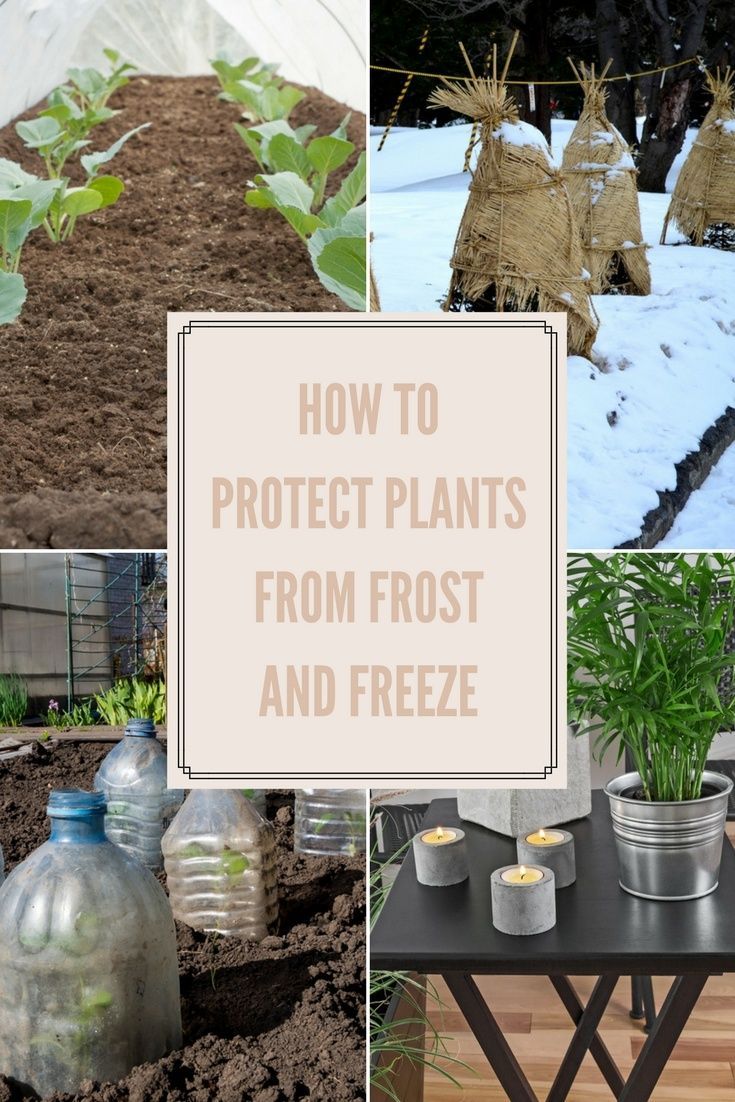 Source: pinterest.com
So when the frost is coming be sure to cover up your tender plants. Use frost cloth burlap drop cloths sheets blankets or even newspapers to cover plants. To keep your tomato plants productive for as long into autumn as possible they will need to be covered up each evening when temperatures dip below 50F 10C. To protect a larger group of plants simply cover them up with blankets bed sheets towels or drop cloths. Before laying down a frost cover first create a tent-like structure by driving several stakes into the ground around your tomato plants.
 Source: de.pinterest.com
They need an extra layer to keep the warmth they have in and the frost off. Wrapping the entire branch system of small trees or shrubs with horticultural frost cloth burlap plastic. Use frost cloth burlap drop cloths sheets blankets or even newspapers to cover plants. When using cloches to ward against frost place them over your plants just before nightfall and uncover them in the morning so they can benefit from the warmth and energy of the sun. The next day once temperatures rise.
 Source: pinterest.com
Prepare for dipping temperatures now so your garden will come through the winter beautifully. Place frost covers over the plants before sunset so you can capture the ground heat which will slowly re-radiate beneath the frost blanket during the night. Certain cold-hardy plants such as spinach broccoli and onions can tolerate some frost. I have tried it with a trombone sprayer at 5 am in an orchard in early bloom and with a watering can in a greenhouse that. What is the best cover to use to protect outdoor plants from the cold air fabric or plastic.
 Source: pinterest.com
Be sure that you uncover them first thing in the morning. I have tried it with a trombone sprayer at 5 am in an orchard in early bloom and with a watering can in a greenhouse that. Do not use plastic. Place frost covers over the plants before sunset so you can capture the ground heat which will slowly re-radiate beneath the frost blanket during the night. The next day once temperatures rise.
 Source: pinterest.com
Bedsheets plastic straw hay mulch leaves and anything else you have on hand that will insulate will do the trick in protecting your plants. To keep your tomato plants productive for as long into autumn as possible they will need to be covered up each evening when temperatures dip below 50F 10C. Prepare for dipping temperatures now so your garden will come through the winter beautifully. Plants may need covering if theres a long period of 25-degree weather but they probably can survive a very short-lived cold snap during the night Reeves said. Place frost covers over the plants before sunset so you can capture the ground heat which will slowly re-radiate beneath the frost blanket during the night.
 Source: pinterest.com
Cover your plants if a frost or freeze is expected especially cold-sensitive ones like tomatoes. You can learn more about the temperatures that vegetable plants can tolerate in this article from the Old Farmers Almanac. I read about it in a story about young Chinese farmers asking their elders what do do in an emergency. Be sure that you uncover them first thing in the morning. When using cloches to ward against frost place them over your plants just before nightfall and uncover them in the morning so they can benefit from the warmth and energy of the sun.
 Source: pinterest.com
Plant covers for frost protection are necessary to keep the moisture from freezing and you should cover plants when they are vulnerable to frost with a high-quality frost cover. When using cloches to ward against frost place them over your plants just before nightfall and uncover them in the morning so they can benefit from the warmth and energy of the sun. Give them a Blanket. There are a lot of different brands of plant covers for frost protection on the market but its important to know that not all of them are of good quality. I have tried it with a trombone sprayer at 5 am in an orchard in early bloom and with a watering can in a greenhouse that.
 Source: pinterest.com
Its just for those unexpected emergency cold snaps but a coating of ice on your plants before the sun hits them in the morning will prevent frost damage on most plants. Prepare for dipping temperatures now so your garden will come through the winter beautifully. Use frost cloth burlap drop cloths sheets blankets or even newspapers to cover plants. Be sure that you uncover them first thing in the morning. Plants may need covering if theres a long period of 25-degree weather but they probably can survive a very short-lived cold snap during the night Reeves said.
 Source: pinterest.com
You can learn more about the temperatures that vegetable plants can tolerate in this article from the Old Farmers Almanac. Give them a Blanket. Wrapping the entire branch system of small trees or shrubs with horticultural frost cloth burlap plastic. What is the best cover to use to protect outdoor plants from the cold air fabric or plastic. To protect plants from frost you will need to cover them to keep the moisture from freezing.
 Source: nl.pinterest.com
They need an extra layer to keep the warmth they have in and the frost off. The warmth may be enough to keep a plant from freezing during a short cold snap. Bedsheets plastic straw hay mulch leaves and anything else you have on hand that will insulate will do the trick in protecting your plants. Use frost cloth burlap drop cloths sheets blankets or even newspapers to cover plants. So when the frost is coming be sure to cover up your tender plants.
 Source: pinterest.com
Plants may need covering if theres a long period of 25-degree weather but they probably can survive a very short-lived cold snap during the night Reeves said. Use frost cloth burlap drop cloths sheets blankets or even newspapers to cover plants. If you are only expecting a light freeze you may be able to protect plants in a freeze simply by covering them with a sheet or a blanket. There are a lot of different brands of plant covers for frost protection on the market but its important to know that not all of them are of good quality. Place frost covers over the plants before sunset so you can capture the ground heat which will slowly re-radiate beneath the frost blanket during the night.
This site is an open community for users to do submittion their favorite wallpapers on the internet, all images or pictures in this website are for personal wallpaper use only, it is stricly prohibited to use this wallpaper for commercial purposes, if you are the author and find this image is shared without your permission, please kindly raise a DMCA report to Us.
If you find this site helpful, please support us by sharing this posts to your favorite social media accounts like Facebook, Instagram and so on or you can also save this blog page with the title when to cover plants for frost by using Ctrl + D for devices a laptop with a Windows operating system or Command + D for laptops with an Apple operating system. If you use a smartphone, you can also use the drawer menu of the browser you are using. Whether it’s a Windows, Mac, iOS or Android operating system, you will still be able to bookmark this website.


