Your What to use to cover plants from frost images are ready. What to use to cover plants from frost are a topic that is being searched for and liked by netizens today. You can Download the What to use to cover plants from frost files here. Download all free photos.
If you’re searching for what to use to cover plants from frost pictures information linked to the what to use to cover plants from frost keyword, you have come to the ideal site. Our site frequently provides you with suggestions for seeing the highest quality video and picture content, please kindly search and locate more informative video content and images that match your interests.
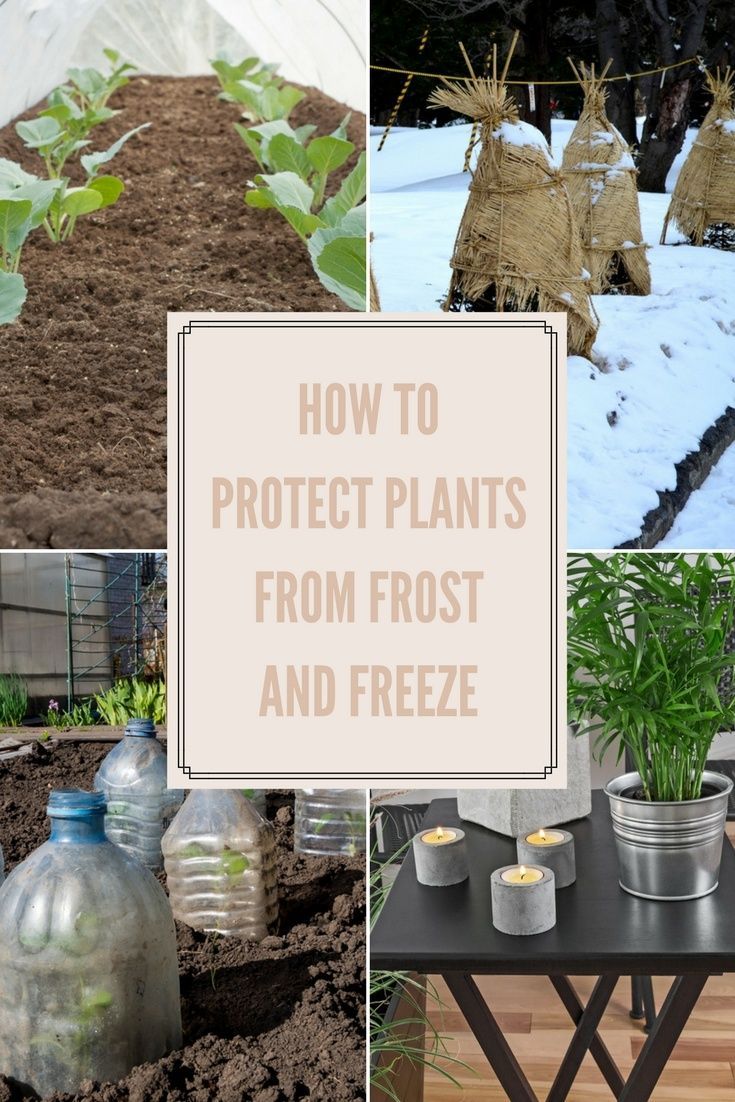
What To Use To Cover Plants From Frost. Avoid variegated plant varieties as they are usually tender. Some plants need extra protection you have a few frost-tender. Watering plants Another way to protect plants is by watering them a day or two before the frost is expected. For added protection when you protect plants in a freeze you can place plastic over the sheets or blankets to help keep warmth in.
 7 Ways To Protect Plants From Frost Damage Homestead And Chill Homestead Garden Layout Growing Vegetables Homestead Gardens From pinterest.com
Blankets may be best for throwing over dwarf trees and shrubs as some of them may be too. Avoid nitrogen fertilizers several weeks before cold weather. Mulch provides vital. Watering plants Another way to protect plants is by watering them a day or two before the frost is expected. Give them a Blanket. Nitrogen encourages new tender growth of.
It is important to use the right materials.
Nitrogen encourages new tender growth of. It is important to use the right materials. This is because water releases heat during the night. Be sure that you uncover them first thing in the morning. They need an extra layer to keep the warmth they have in and the frost off. However do not saturate the plants while the temperatures are extremely low as this will result in frost heave and ultimately injure the plants.
 Source: pinterest.com
Messy and labor-intensive mulch may not. A fabric covering is best because it will allow moisture to escape while still protecting your plants from frost. While an unexpected frost can leave many gardeners scrambling to find anything to cover their tender plants. Cover the plant completely allowing the cover to drape down to the soil all around the plant. Wet soil will hold more heat than soil that is dry.
 Source: pinterest.com
Nitrogen encourages new tender growth of. Old blankets and sheets are a great way to protect plants from frost. Do this only at dusk and remove them in the morning to prevent the plants from overheating. Choose plants appropriate for your climate. However do not saturate the plants while the temperatures are extremely low as this will result in frost heave and ultimately injure the plants.
 Source: pinterest.com
Be sure that you uncover them first thing in the morning. Any plant Ive ever covered during frostfreeze would be done after dormancy is broken. Bedsheets plastic straw hay mulch leaves and anything else you have on hand that will insulate will do the trick in protecting your plants. Some plants need extra protection you have a few frost-tender. Secure the edges with boards stones or bricks to hold it in.
 Source: pinterest.com
Blankets may be best for throwing over dwarf trees and shrubs as some of them may be too. Cover the entire plant with mulch the night before low temperatures are forecast and remove it when the weather warms up again. Use stakes or hoops to hold the material up and away from the foliage and drape the blanket over the plants until it touches the ground. Choose plants appropriate for your climate. Cover the plant completely allowing the cover to drape down to the soil all around the plant.
 Source: pinterest.com
Use Frost Blankets for Plants in Rows or Beds. While an unexpected frost can leave many gardeners scrambling to find anything to cover their tender plants. Never cover a plant with just plastic however as the plastic will damage the plant. This traps the warmth inside. When I have done it then unless it is a small non-woody plant.
 Source: ar.pinterest.com
Old Blankets and Bed Sheets. Frost blankets or garden fleeces these ones are good value are a. Sometimes called bells or bell jars most fit over individual plants but some are large enough to cover a row. While an unexpected frost can leave many gardeners scrambling to find anything to cover their tender plants. A fabric covering is best because it will allow moisture to escape while still protecting your plants from frost.
 Source: pinterest.com
Before you cover the plants in late afternoon or early evening water your plants lightly. A fabric covering is best because it will allow moisture to escape while still protecting your plants from frost. Secure the edges with boards stones or bricks to hold it in. Pick up an assortment at a thrift store so that neither you nor your plants need to sleep in the cold. Be sure that you uncover them first thing in the morning.
 Source: pinterest.com
Wet soil will hold more heat than soil that is dry. Avoid nitrogen fertilizers several weeks before cold weather. Cover the plant completely allowing the cover to drape down to the soil all around the plant. A single 100-watt bulb placed underneath the covering also adds extra protection but take care that the bulb doesnt touch the covering. Nitrogen encourages new tender growth of.
 Source: pinterest.com
Use stakes or hoops to hold the material up and away from the foliage and drape the blanket over the plants until it touches the ground. Some plants need extra protection you have a few frost-tender. Fabric coverings will prevent the freezing air from coming into direct contact with the moisture on the plant while also capturing the heat that is. If the temperatures are expected to hover around the. The blanket will help insulate tender plants and keep them alive during a frosty night.
 Source: pinterest.com
Messy and labor-intensive mulch may not. Pick up an assortment at a thrift store so that neither you nor your plants need to sleep in the cold. Use Individual Plant Covers or Winter Cloches. Avoid nitrogen fertilizers several weeks before cold weather. A fabric covering is best because it will allow moisture to escape while still protecting your plants from frost.
 Source: pinterest.com
Avoid nitrogen fertilizers several weeks before cold weather. Use Frost Blankets for Plants in Rows or Beds. Simply place cloches over young vines and shrubs such as tomatoes and peppers to protect plants from frost. Wet soil will hold more heat than soil that is dry. Strictly speaking cloches are removable glass or plastic covers that protect plants from cold.
 Source: pinterest.com
Like other covers cloches should be placed over plants before the sun goes down and removed in the morning after the frost has thawed. Give them a Blanket. The blanket will help insulate tender plants and keep them alive during a frosty night. Avoid nitrogen fertilizers several weeks before cold weather. Do this only at dusk and remove them in the morning to prevent the plants from overheating.
 Source: pinterest.com
Use Frost Blankets for Plants in Rows or Beds. Bedsheets plastic straw hay mulch leaves and anything else you have on hand that will insulate will do the trick in protecting your plants. Secure the edges with boards stones or bricks to hold it in. Use Frost Blankets for Plants in Rows or Beds. The warmth may be enough to keep a plant from freezing during a short cold snap.
 Source: pinterest.com
Choose plants appropriate for your climate. They need an extra layer to keep the warmth they have in and the frost off. Before you cover the plants in late afternoon or early evening water your plants lightly. Avoid variegated plant varieties as they are usually tender. Do not use plastic.
 Source: pinterest.com
Be sure that you uncover them first thing in the morning. Do not use plastic. Strictly speaking cloches are removable glass or plastic covers that protect plants from cold. If you use polythene covers hose them down if theyre dirty and dry them so theyre ready to use when frost threatens. Some plants need extra protection you have a few frost-tender.
 Source: pinterest.com
If you have to buy them dont bother but if you are rural and have access to square bales. Add an Extra Thick Layer of Mulch. A thick layer of mulch such as shredded bark or compost can help insulate tender plants. When I have done it then unless it is a small non-woody plant. Use stakes or hoops to hold the material up and away from the foliage and drape the blanket over the plants until it touches the ground.
 Source: pinterest.com
Cover Plants with Old Blankets and Sheets. Any plant Ive ever covered during frostfreeze would be done after dormancy is broken. Choose plants appropriate for your climate. However do not saturate the plants while the temperatures are extremely low as this will result in frost heave and ultimately injure the plants. A single 100-watt bulb placed underneath the covering also adds extra protection but take care that the bulb doesnt touch the covering.
 Source: pinterest.com
Other tips that can help in addition to covering your frost-tender plants is to water your plants before freezing temperatures. Add an Extra Thick Layer of Mulch. Lay sheets of plastic over the plants to raise the air temperature between the plastic and the ground. Bedsheets plastic straw hay mulch leaves and anything else you have on hand that will insulate will do the trick in protecting your plants. The nice thing about straw is that once frost danger passes it can be left in the garden as weed-suppressing mulch.
This site is an open community for users to do sharing their favorite wallpapers on the internet, all images or pictures in this website are for personal wallpaper use only, it is stricly prohibited to use this wallpaper for commercial purposes, if you are the author and find this image is shared without your permission, please kindly raise a DMCA report to Us.
If you find this site helpful, please support us by sharing this posts to your own social media accounts like Facebook, Instagram and so on or you can also save this blog page with the title what to use to cover plants from frost by using Ctrl + D for devices a laptop with a Windows operating system or Command + D for laptops with an Apple operating system. If you use a smartphone, you can also use the drawer menu of the browser you are using. Whether it’s a Windows, Mac, iOS or Android operating system, you will still be able to bookmark this website.


